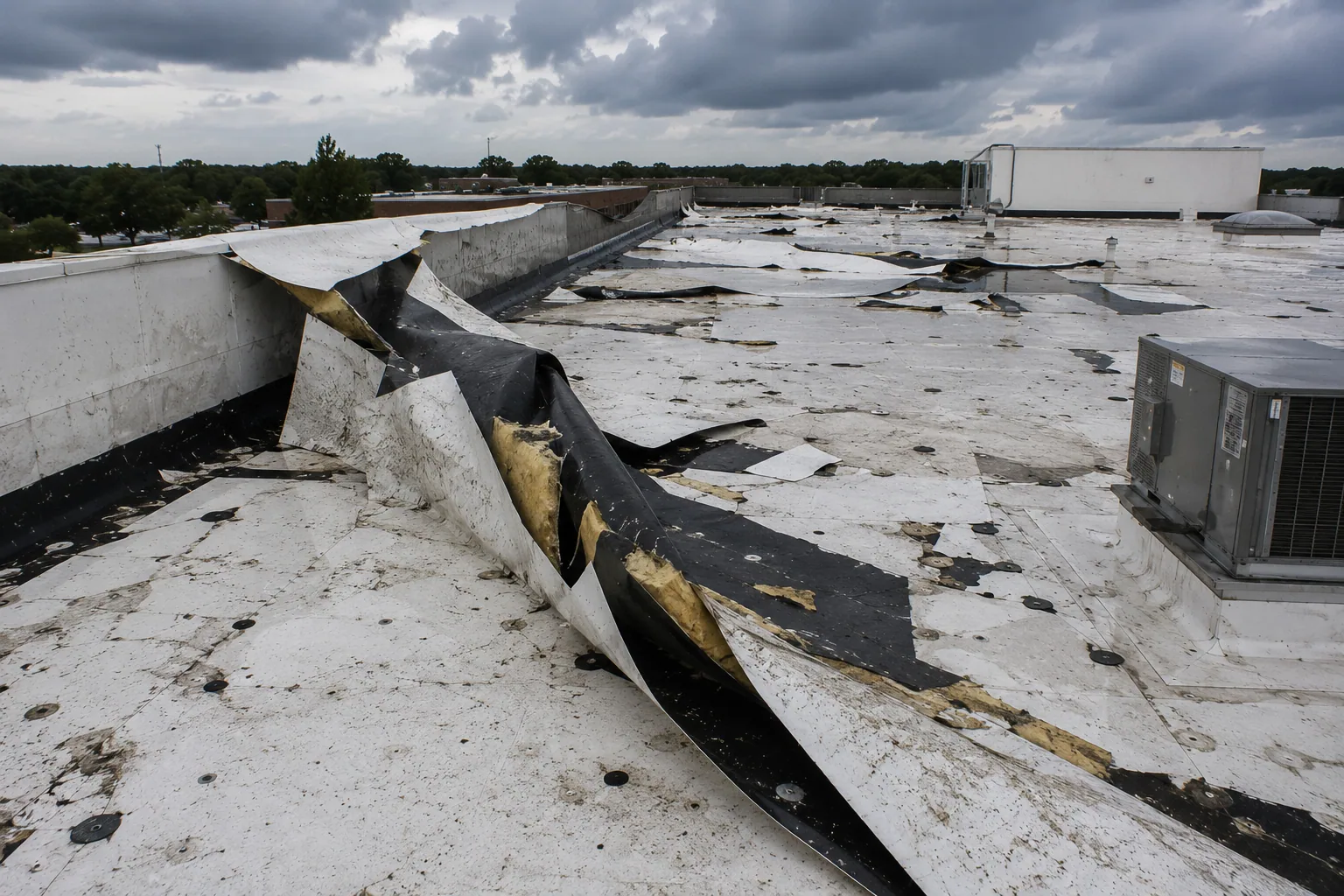
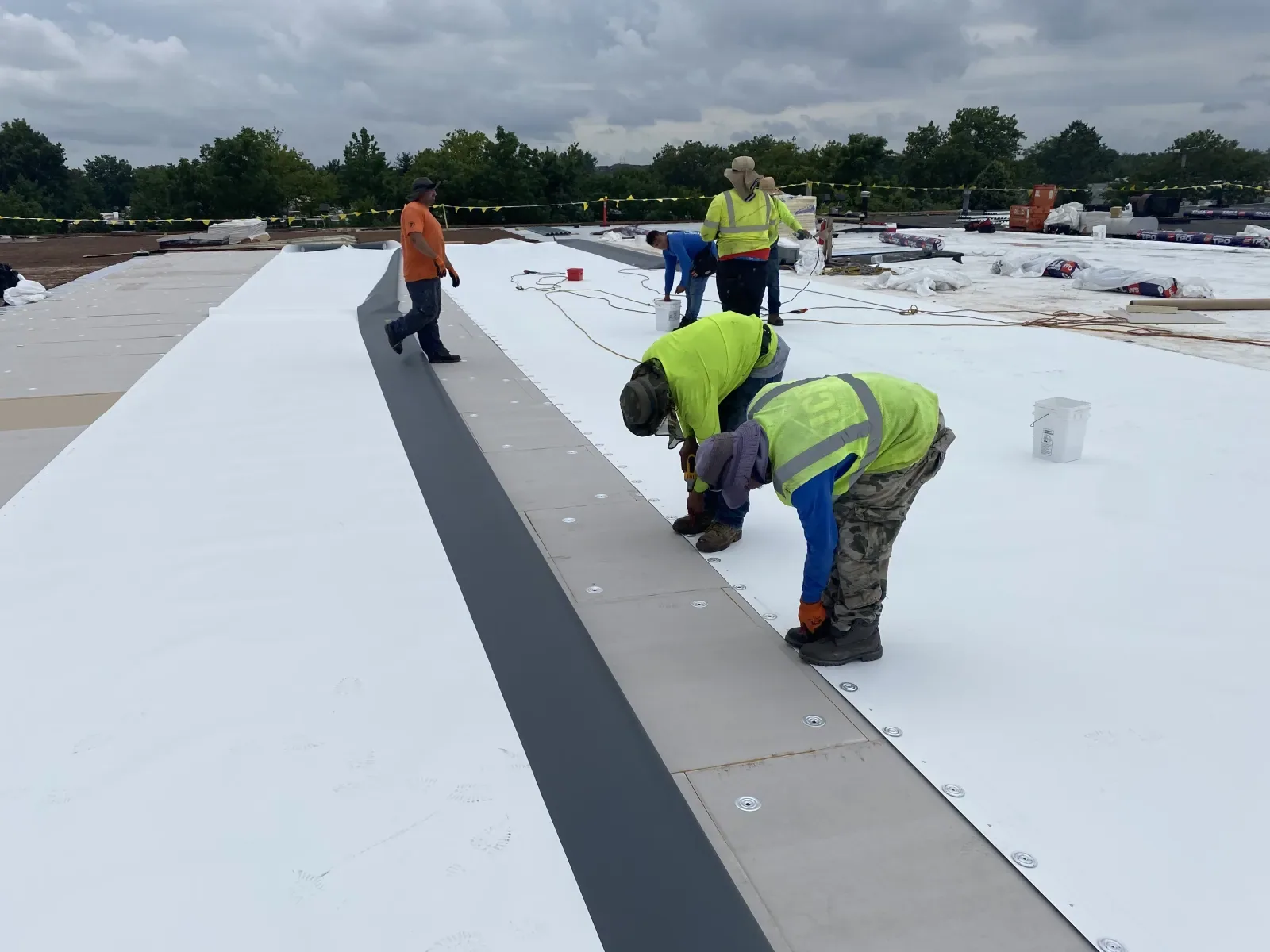
A claim file is more useful when the inspection record separates observed roof conditions from the event information supplied by the owner. We document the affected sections, visible damage, temporary protection, and remaining questions, then prepare a repair scope with quantities and limits that can be reviewed. In its hazard plan, Waterbury treats tornadoes and summer storms as local hazards and marks the whole municipality as exposed to winter storms, from snow and ice to nor'easters. That context may help organize a timeline, but it does not determine the cause of a specific roof condition or the insurer's coverage decision.
A municipal land-use summary places the business core near the highway junction and describes industrial areas by the river as well as mixed-use streets such as East Main. Each building still requires its own inspection, access notes, and records. Our role is to make the roof evidence and proposed work legible for the property team and its claim contacts.
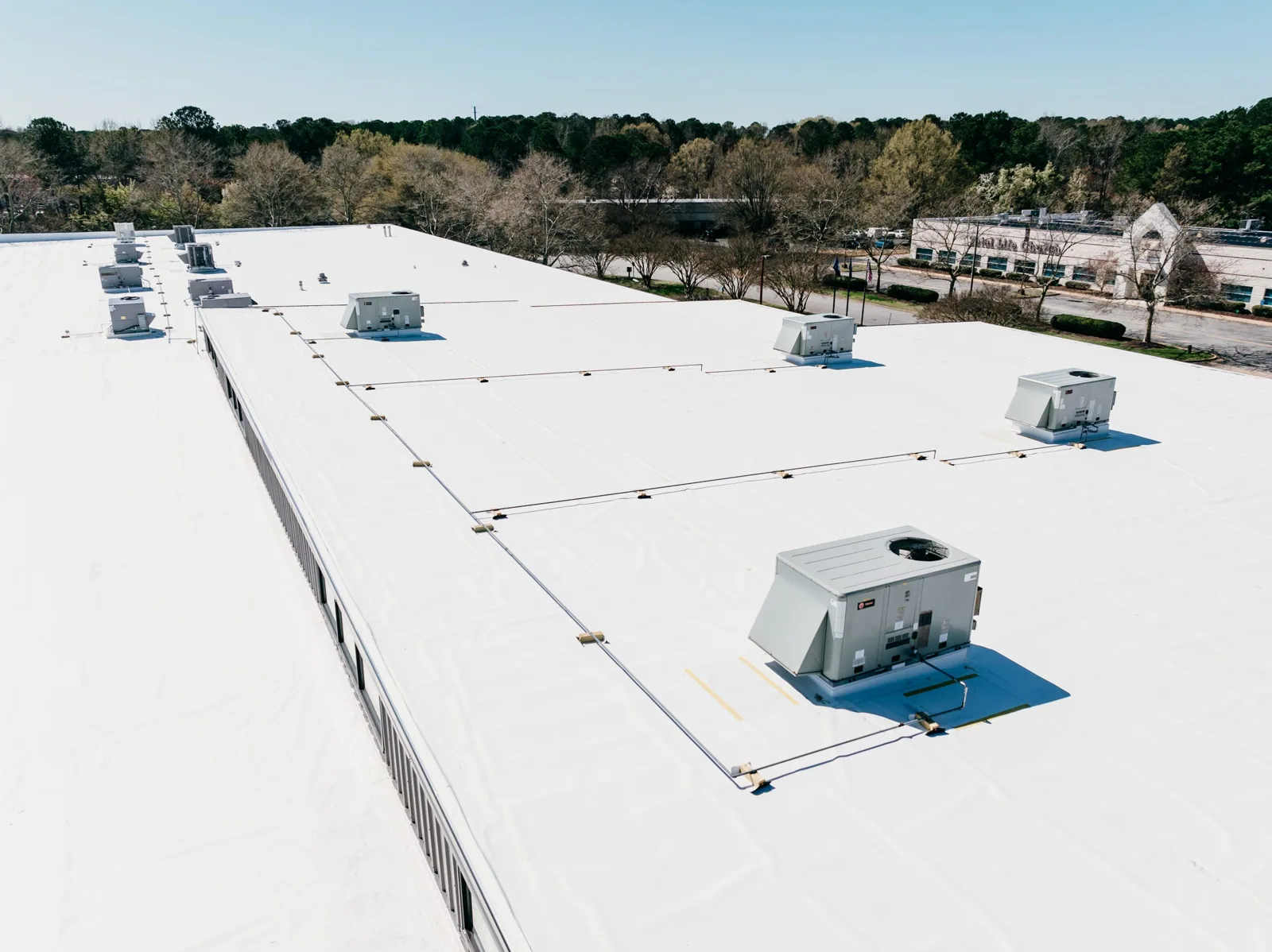
Inspect and Photograph the Affected Sections
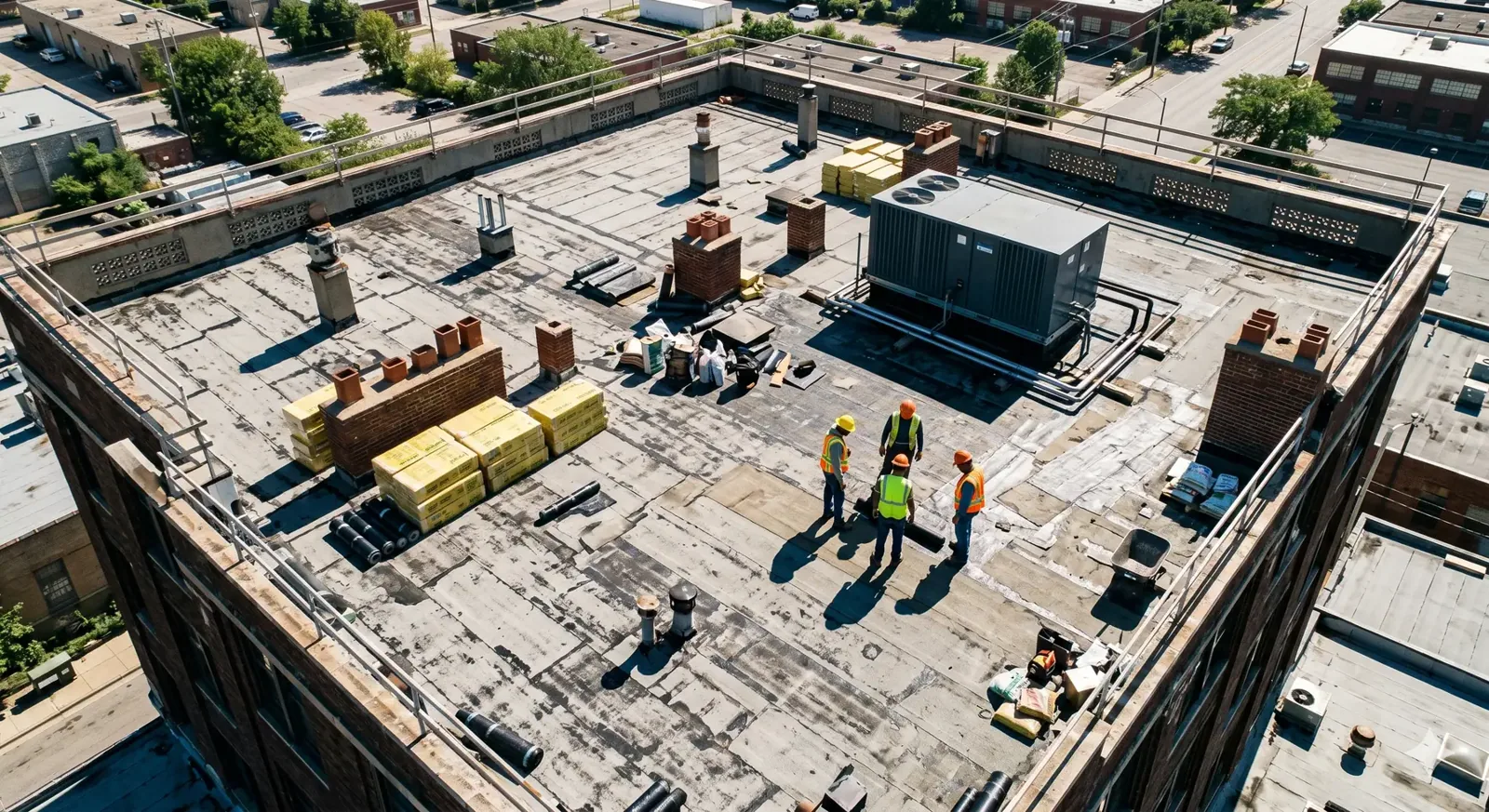
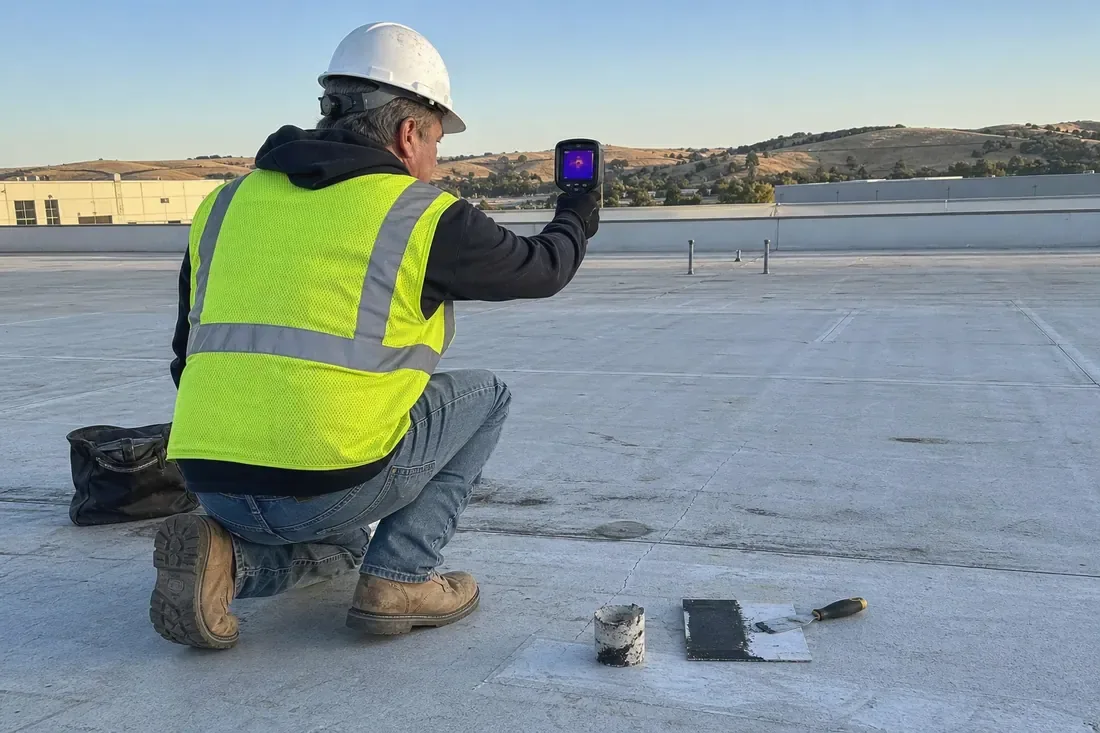
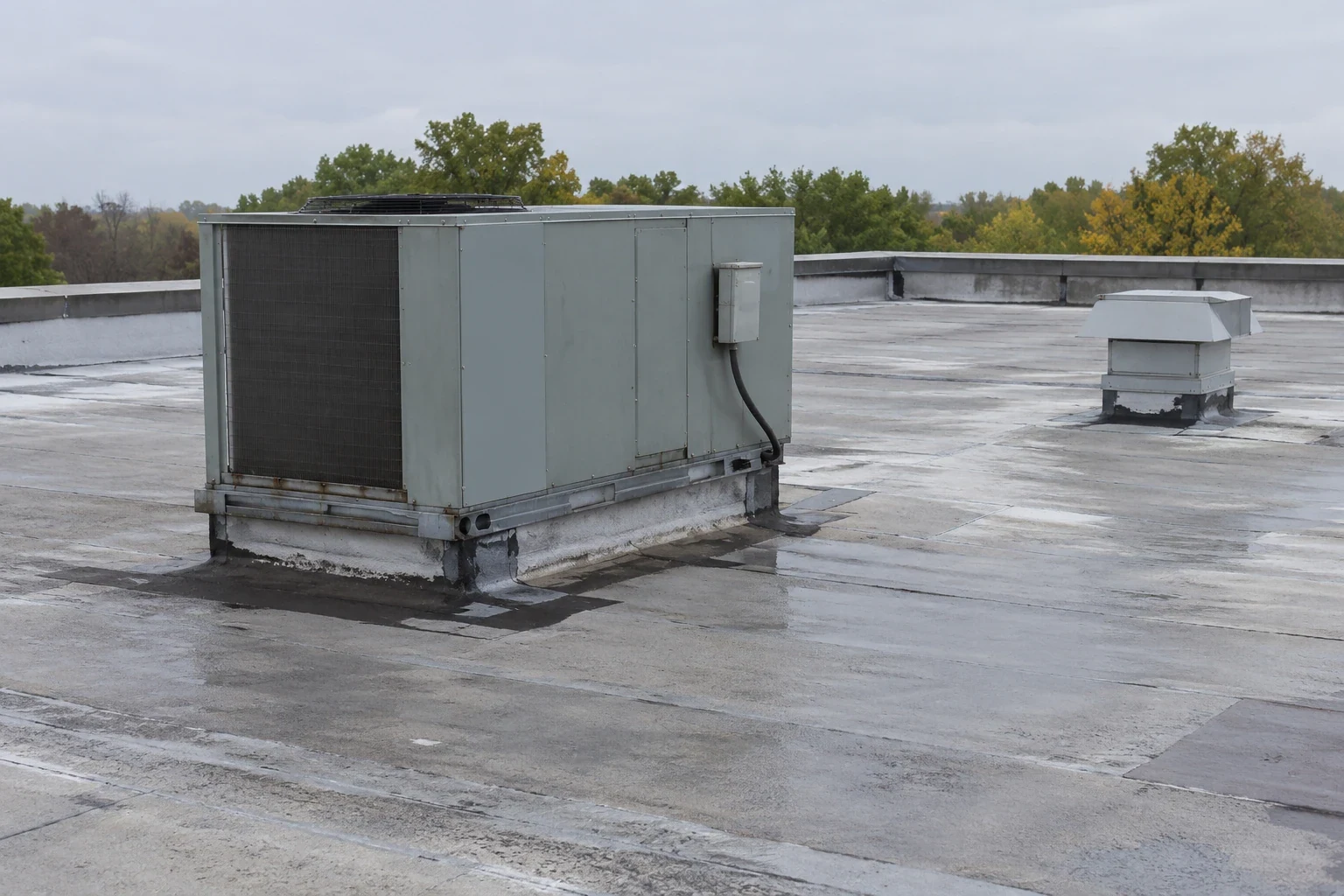
We begin with the roof plan, reported event date, affected interior locations, prior repair history, and access rules. On the roof, we inspect accessible membrane or metal, seams, flashing, edges, drains, curbs, and penetrations. Photos identify the section, detail, and nearby conditions so the reviewer can connect a visible opening with its location. If a roof area cannot be reached safely, we state the limit rather than imply a complete survey.
Waterbury's municipal plan records vulnerability to tropical-storm wind and rain and notes that historical tropical-cyclone damage in the city has most often involved flooding. We distinguish event information from physical evidence, and we identify what would need a test cut, moisture survey, or follow-up access to determine. A commercial roof inspection can establish current conditions, while a photo condition report organizes findings by section.
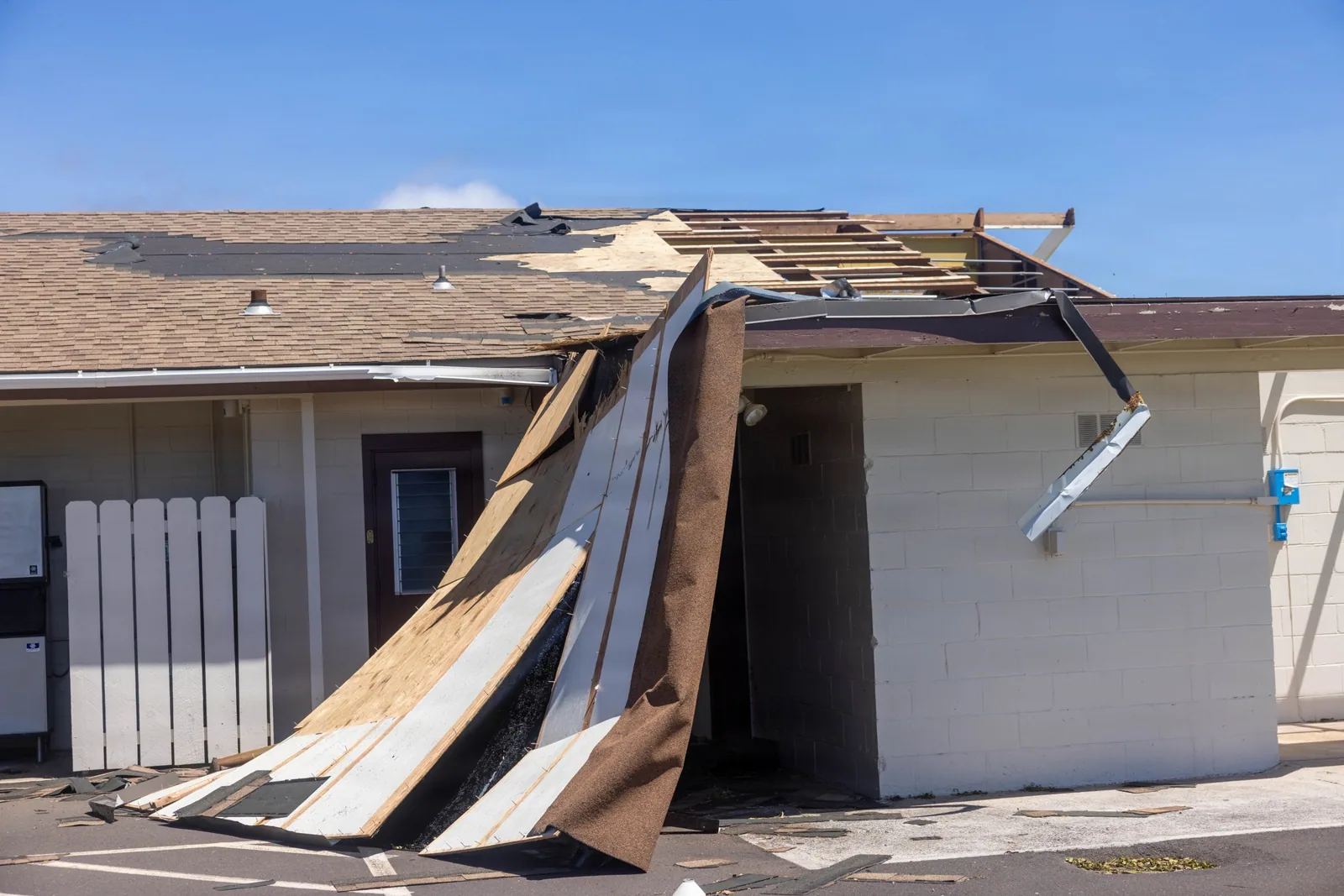
When damage is visible, we describe its extent and relationship to adjacent material. When the evidence leaves more than one cause plausible, we say so and record what additional information could resolve it. This approach gives the asset manager a factual inspection record without overstating causation or making a coverage determination.
Build a Dated Record of Work and Findings
A useful claim packet has a sequence: event information supplied, first report, emergency protection, inspection, test results, repair estimate, and completed work. We label photos with the date and roof section, identify temporary measures separately from permanent repairs, and keep invoices or earlier condition records beside the current findings. If the owner has weather notices, tenant reports, or work orders, those remain identified as supplied documents rather than roof observations.
For properties near South Main or in Waterbury's industrial districts, operating impacts may affect when the inspection and repair could occur. We record the access window and any area kept in service, then explain how that influenced the work sequence. A emergency dry-in visit can document immediate protection, and a permanent repair estimate can state materials, measured quantities, exclusions, and unresolved conditions.
If the roof was repaired before a full inspection, we identify the available records and note which conditions the temporary or permanent work obscured. The packet can still show what was documented, what invoices describe, and which follow-up step remains useful. We avoid treating a missing photograph as proof that damage was absent or present.
Compare the Proposed Work with the Roof Evidence
The estimate should map the proposed repair to the affected section and show how the work reaches sound material. We state preparation, removal depth, membrane or metal work, insulation or deck quantities, tie-ins, and dry-in assumptions. If the visible damage extends beyond the initial boundary after removal, we photograph and measure the added area, then present the owner decision before continuing beyond the authorized scope.
For a roof with separated seams, lifted edge metal, or wet insulation, different repair methods may address different findings. A wind-related detail assessment can record a confirmed edge or seam condition; a replacement comparison can show the removal boundary when failures extend across several sections. A recover review can be considered only after attachment, moisture, and code conditions are evaluated.
We can explain the construction basis for quantities and note differences between an inspection report, contractor estimate, invoice, and repair record. The policy, claim adjustment, and coverage decision remain with the insurer and owner. A clear scope helps the project team compare line items and identify questions that need review without promising how those questions will be decided.
Coordinate Repairs with Operations and Access
Waterbury's South Main and East Main corridors include retail, services, restaurants, housing, and civic uses. That mix makes timing and protected paths relevant to a repair, but each property sets its own access requirements. We confirm loading, roof entry, security, tenant notices, and operating hours with the site contact. If staging or interior protection changes the sequence, we note that in the scope and work record.
The same review applies around the central business district near I-84 and Route 8 and in the industrial areas along the Naugatuck River. Broad geography helps frame the conversation; site instructions determine the work plan. A phased occupied-building scope can show daily closure points, while Waterbury roof service can keep the property context tied to the city's records.
If an active opening needs immediate protection, our emergency response is available around the clock, including weekends and holidays. We record the temporary measure and return conditions, then document permanent work separately. The claim file can show how access and weather affected timing without suggesting that a delay changed the physical cause of damage.
Keep the Final Claim Record Complete
At closeout, we include the approved work boundary, completed tasks, materials recorded, dated photos, invoices, and any unresolved item. The report states whether wet insulation or deck damage was exposed and how the owner directed the added work. If an area remains untested or inaccessible, that gap stays in the file with a proposed next step. This lets a later roof review compare the original findings with the repaired condition.
A complete asset file can include prior inspections, roof plans, maintenance records, event details supplied by the owner, and correspondence about repair access. Keep warranty material with the roof history so the appropriate claim participants can review the records together. If the next decision is larger than a claim repair, the owner can separate immediate work from later renewal supported by the inspection.
Bring the policy contact's document request, event notes, roof history, access instructions, and current work orders. We can inspect accessible conditions, produce photos and measured work descriptions, and identify evidence that remains unresolved. The owner receives a clear construction record to share with the appropriate claim participants.
Commercial Roofing Questions
Can a roofing contractor decide whether insurance covers the damage?
No. We document the roof conditions, repair methods, measurements, and work completed. The insurer and policyholder determine coverage and claim treatment. Our report can make the construction evidence easier to review without promising an outcome.
What should be documented before temporary protection is installed?
When it is safe, record the affected area, visible opening, nearby roof details, interior impact, and date. We then document the temporary measure and its limits. Safety and active water control come first if delay would increase exposure.
How do you handle damage that is concealed below the membrane?
We identify a test cut or moisture survey when concealed conditions could change quantities. The record labels the location and result of each test, then separates confirmed removal from any untested area. The owner can review additional work before the boundary expands.
Can the estimate be compared with an adjuster's scope?
Yes. We can organize our measured work by roof section and describe preparation, material, access, and dry-in assumptions. The owner or claim contact can compare those items with the other scope and identify differences that need discussion.
What belongs in the final roof claim file?
Keep the inspection report, dated photos, estimates, approvals, invoices, temporary protection notes, completed work record, and any open limitations together. We identify unresolved conditions so the next inspection does not mistake an untested area for a confirmed repair.
Organize the Roof Evidence
Share the event information, roof history, policy contact's document request, access rules, and any work orders. We can inspect accessible conditions and prepare a measured repair record with photos and open questions.