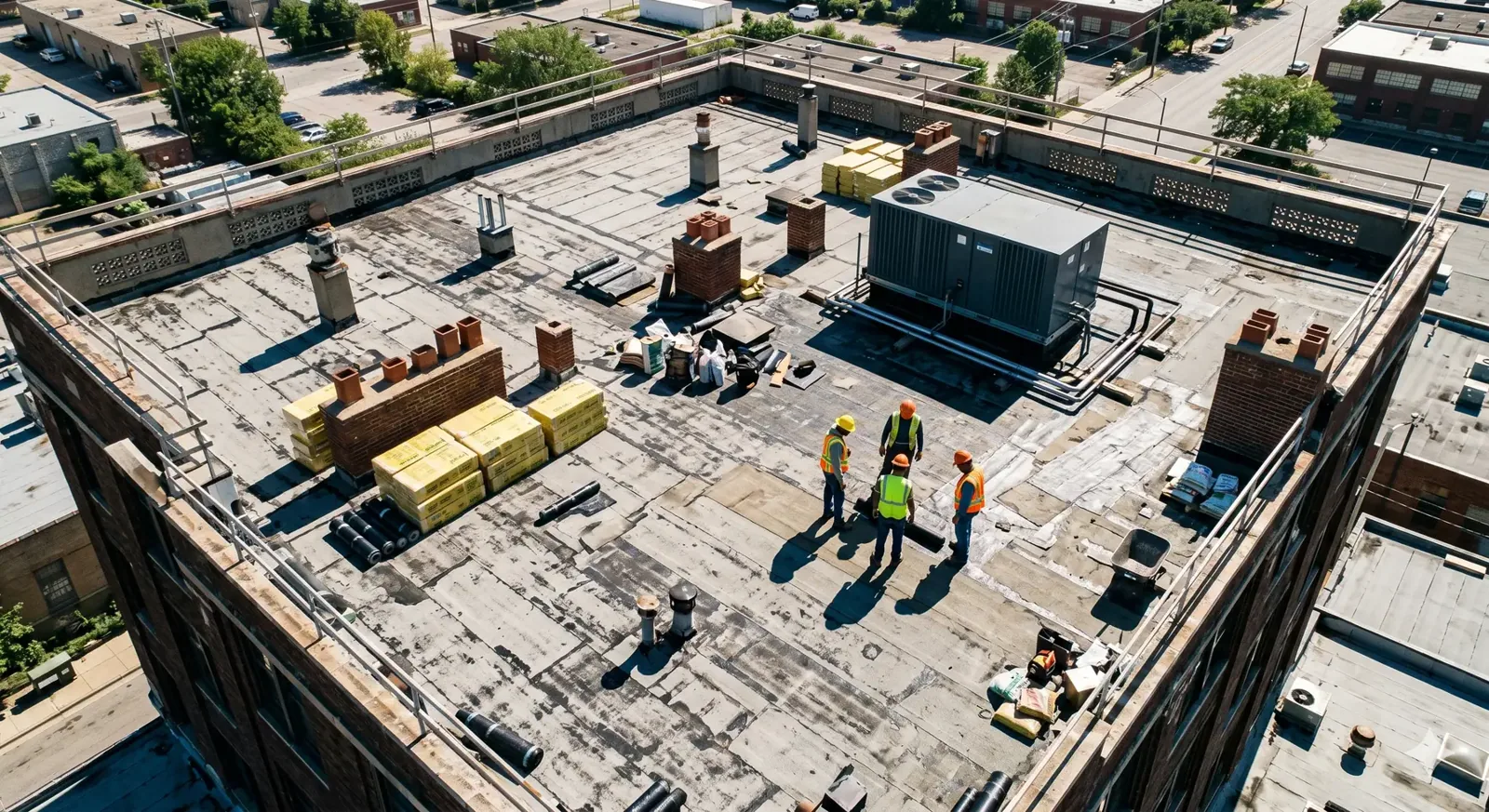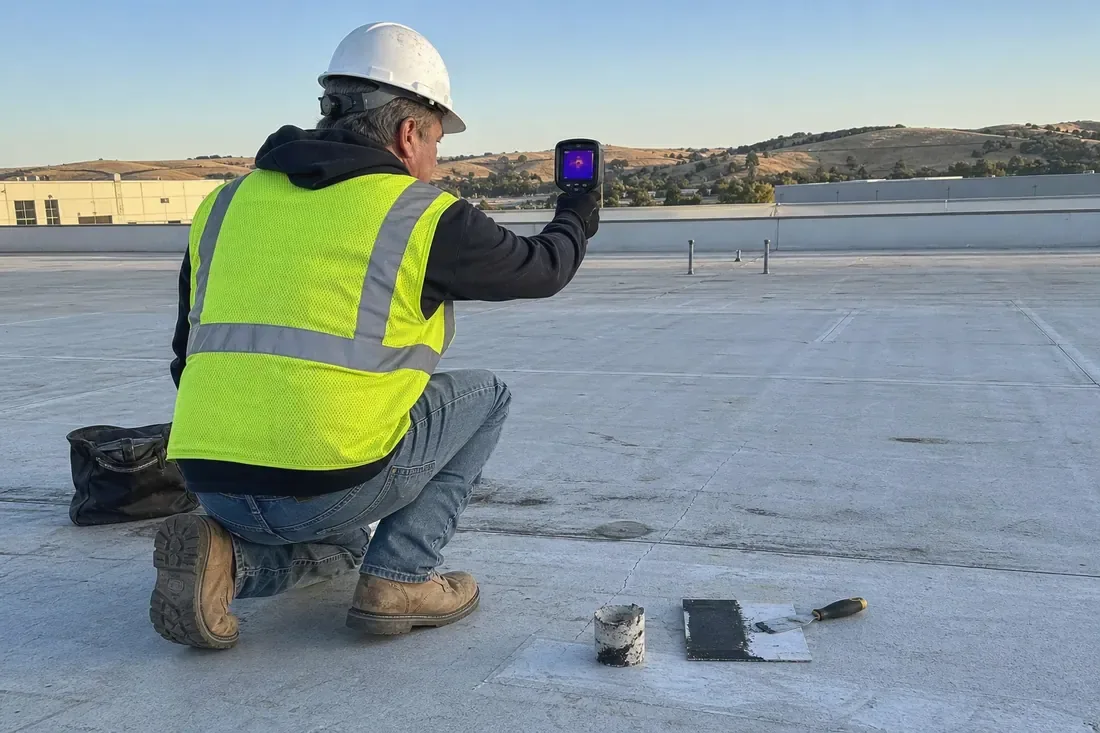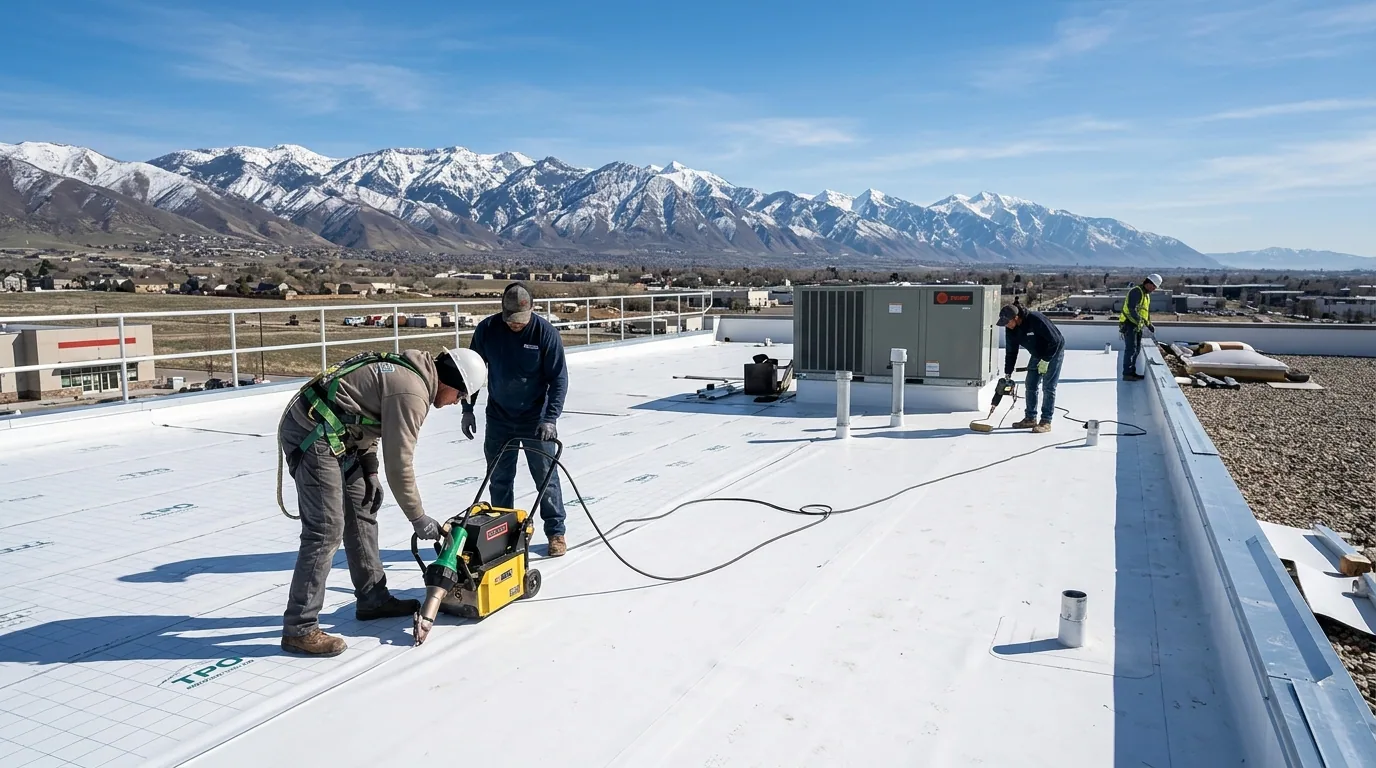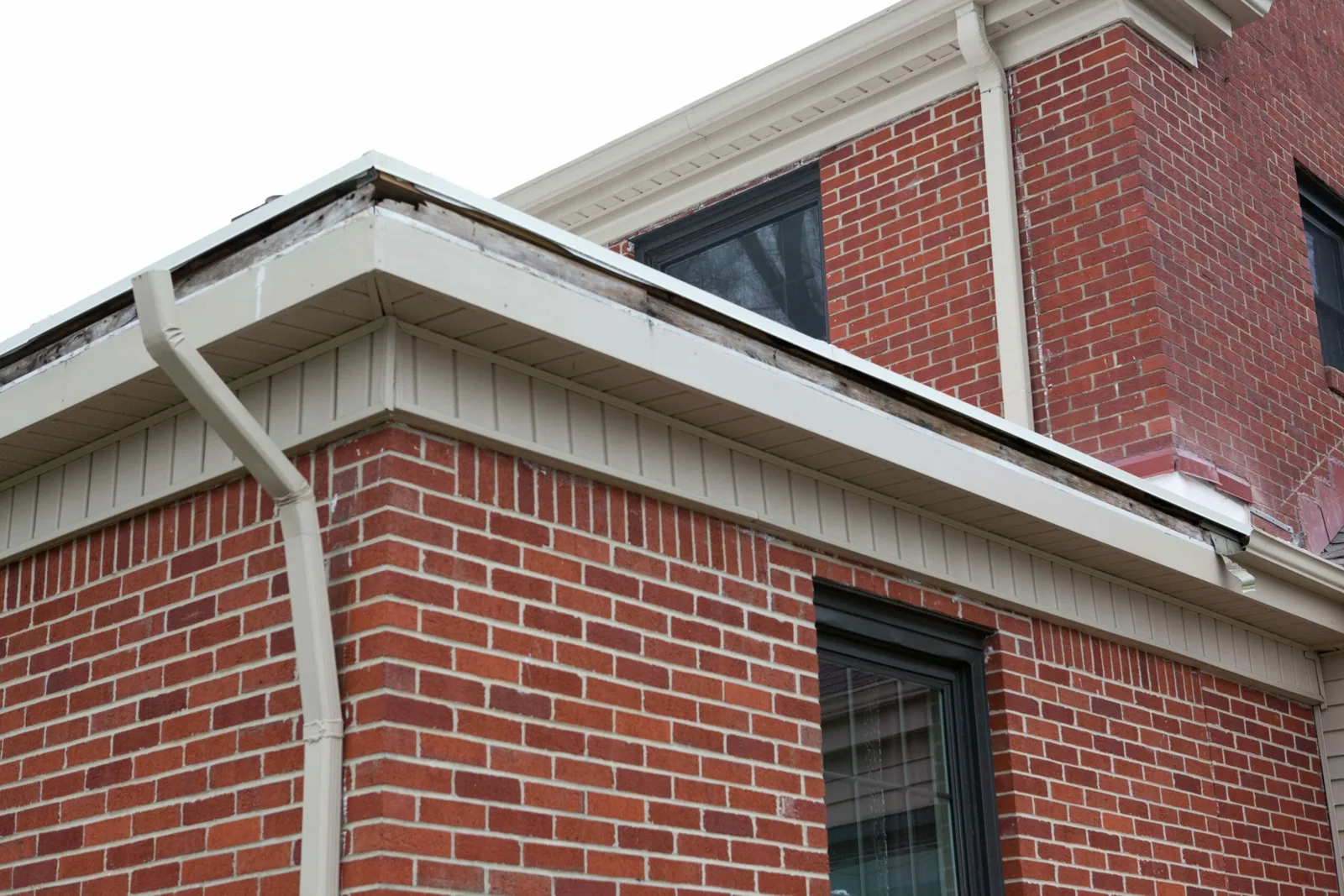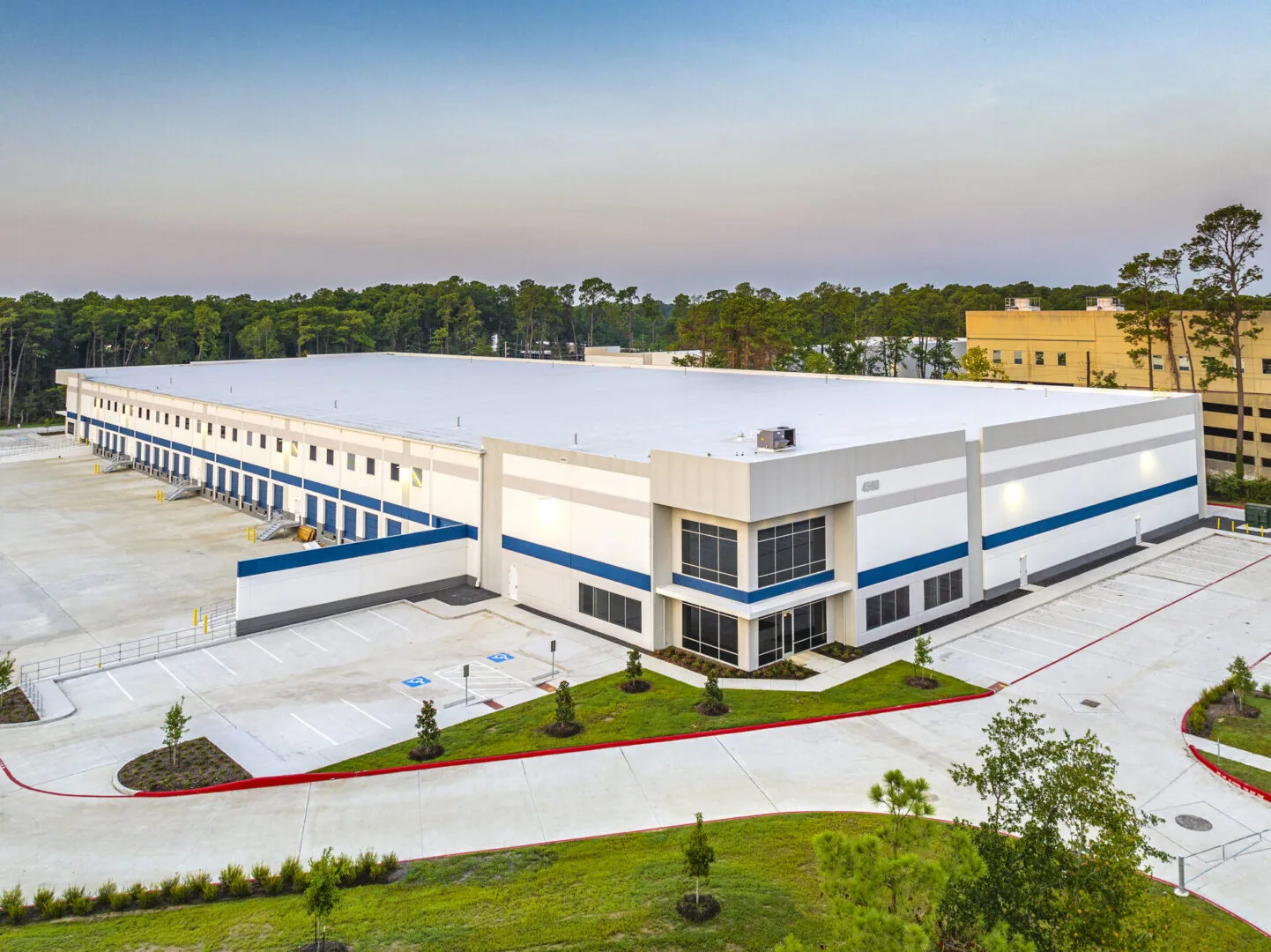
The first roofing decision on a controlled installation is the work window: when the crew can enter, which roofs can be reached, and how much area can be closed before operations resume. We confirm the assembly and mission constraints before choosing repair, recover, or replacement. Waterbury Armory is an armory in the city; the roof scope for any installation still has to follow its current access instructions, design documents, and building-specific conditions. We do not assume that a schedule or access process at one location carries over to another.
Waterbury also includes industrial areas along the Naugatuck River and a commercial corridor near I-84 and Route 8. Those broader settings inform mobilization planning, while installation rules determine entry and work control. We can review drawings, roof records, escort requirements, mission calendars, and the Unified Facilities Criteria applicable to roofing before the scope is finalized. A roof condition survey and Waterbury-area coordination visit can document the initial roof questions.
Clear Access and Escort Requirements First
Controlled access affects crew names, vehicle details, tool lists, material deliveries, escort coverage, and the route from the gate to the roof. We collect the requirements from the installation contact early, then schedule mobilization only after the required approvals and site instructions are confirmed. Badging, inspection windows, restricted photography, communications, and emergency procedures belong in the preconstruction record. The installation sets clearance, contract, and access conditions, and the schedule follows them.
The access plan should match the roof sequence. If an escort must remain with the crew, work zones and daily quantities need to fit the approved escort window. We identify how equipment is secured between shifts, how removed material leaves the controlled area, and who releases the roof at closeout. A condition report can carry photos or restricted Diligence Notes only as permitted by the site, with sensitive records handled under the installation's rules. The proposal lists the access assumptions that affect cost and timing.
Translate UFC Criteria into Roof Details
Military roof work may be governed by Unified Facilities Criteria, contract drawings, specifications, and project-specific instructions. We review the applicable requirements with the owner's design and contracting team before describing materials, attachment, insulation, wind resistance, flashing, or testing. The proposal identifies the criteria documents used for scope development and any design question that needs resolution. A general roof preference cannot replace the project's governing documents.
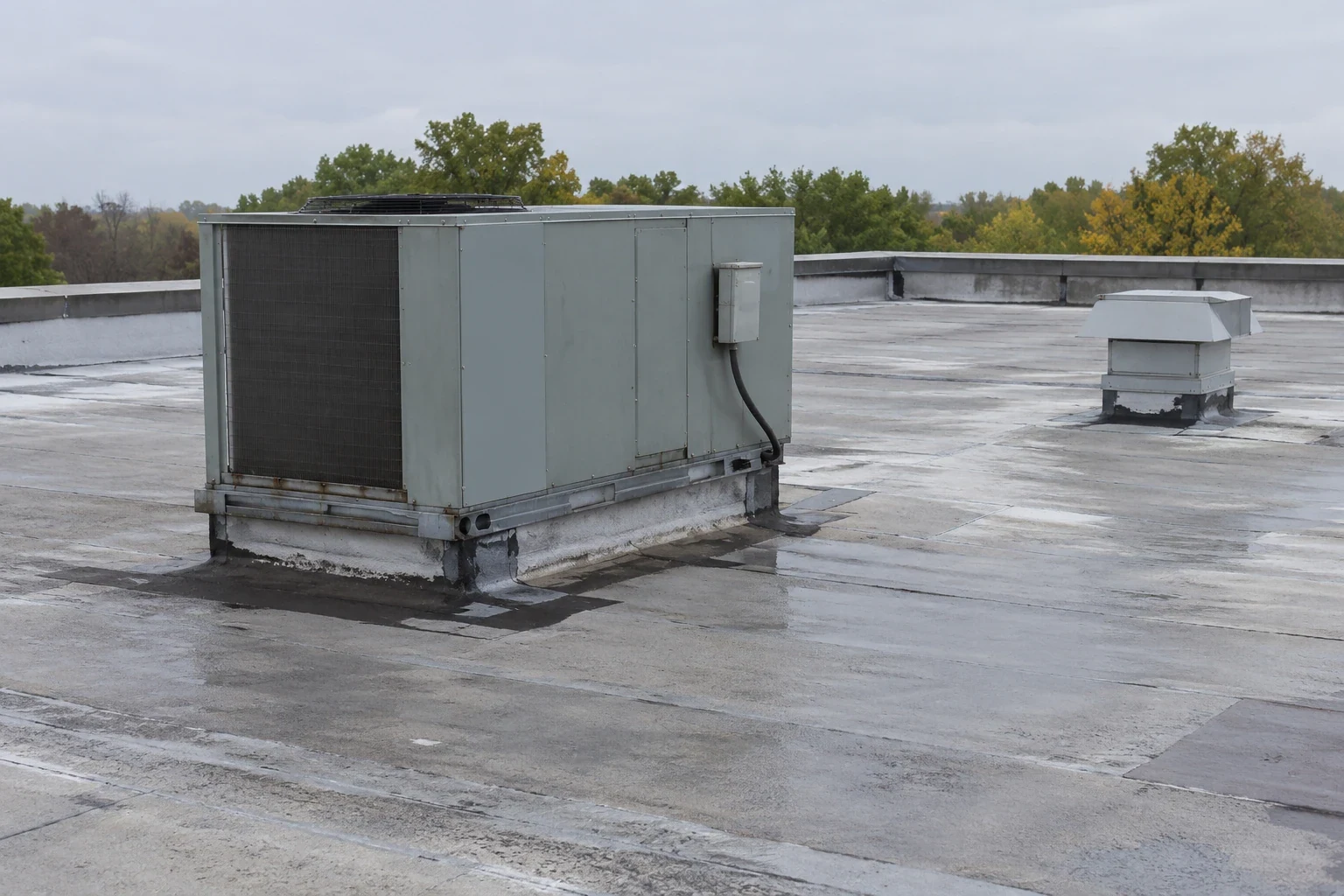
We compare the selected assembly with existing conditions at seams, penetrations, parapets, drains, curbs, and expansion joints. Replacement may require removal of prior layers, substrate repairs, insulation, cover board, and new terminations; a repair can remain appropriate where a documented defect is local. If moisture or deck condition is unknown, we identify the proposed investigation and request authorization through the owner's process before opening the roof. A insulation and cover board scope can address layers within the designed system, while edge metal work covers perimeter details in the approved documents.
Fit the Work Window to Mission Operations
The work plan should state what happens on each shift and what remains available to the installation. We break the roof into controlled work areas, coordinate noisy tasks and equipment shutdowns, and agree on end-of-day closure points. If the mission calendar changes, the owner can see which tasks can move and which depend on uninterrupted access. Material staging, crane or lift use, fire lanes, and temporary storage are confirmed before mobilization.
Waterbury's industrial land follows the Naugatuck River, and nearby Naugatuck has a commercial and institutional corridor alongside Route 63, the river, and Route 8. These locations are broad market context; a controlled site provides its own approved delivery route and security process. We include those directions in the daily plan without publishing restricted details in the public project record. If a weather shift threatens an open section, the team follows the agreed pause and protection procedure rather than continuing beyond the safe dry-in boundary.
Control Exposure, Testing, and Change Orders
Roof scope should separate the observed defect from concealed conditions that may appear during removal. We define the tear-off boundary, testing locations, temporary protection, and decision point for wet insulation or deck deterioration. A change is documented with a location, photographs or approved records, and the revised quantity before the team expands work. This is especially important when access is limited to a narrow window, because an unresolved condition can affect both mission continuity and the next escorted shift.
Cost and duration depend on roof geometry, system requirements, security procedures, inspection hold points, materials, equipment access, and how many phases can be completed per visit. We show each allowance and its trigger. Repairs outside the approved scope are priced as a separate decision rather than added to a broad contingency. For recurring maintenance or several roofs, a roof program can preserve separate work histories, while a capital schedule can show which roofs compete for the same access window.
Document Acceptance and Return the Roof to Service
Closeout should match the installation's record requirements. We provide approved photographs, daily reports, material and test documentation, repair locations, inspection results, and a list of unresolved items in the format authorized for the project. The owner confirms acceptance and any access restrictions before the crew demobilizes. If an area remains under observation or is deferred, the closeout identifies its boundary and the next inspection action.
Keep the as-built roof plan, current criteria, access record, escort instructions, mission calendar, and prior repair documents together for future work. Waterbury Armory and the broader commercial districts around Waterbury illustrate the market's varied building uses, but each controlled installation sets its own roof requirements. Provide the governing documents and site contact before budgeting. We will inspect the permitted areas, prepare an evidence-based scope, and coordinate the sequence through the installation's approval process.
Where the survey points to system-wide deterioration, the owner can compare a defined replacement plan with section-level repairs. We identify the tear-off boundary, testing needed before procurement, and any approval required for materials or access. That keeps the project decision tied to roof evidence, mission availability, and the records the installation requires at turnover.
Commercial Roofing Questions
Can you work on an installation with an escort?
We can plan work to the escort and access rules set by the installation. The schedule should identify escort coverage, entry and exit times, approved work areas, tool control, and the daily roof closure. The installation confirms whether access is granted and what documentation each person must provide.
How do UFC roofing criteria affect an estimate?
The applicable criteria can affect system design, materials, attachment, testing, submittals, inspection hold points, and closeout. We review the project documents with the owner's design team and state which requirements define the proposed scope. Unresolved design decisions remain visible before procurement.
Can roofing work continue during a mission schedule change?
The project sequence should identify tasks that can move and the closure required before a work area is released. We coordinate changes with the installation contact and stop at a protected boundary when the approved access window changes. The revised work plan records schedule and cost effects.
How are restricted photos handled?
We follow the installation's photography, data handling, and submittal instructions. Before mobilization, the site contact identifies what can be captured and how records must be transferred or retained. The closeout includes only the material permitted for that project.
What should be supplied before the roof survey?
Send the current roof plan, specifications, criteria documents, access procedure, escort requirements, mission calendar, past repairs, and known leak locations. Those records help us define the permitted inspection area and list any condition that needs separate approval or testing.
Plan a Controlled Roofing Work Window
Provide the governing criteria, roof documents, access and escort rules, mission calendar, and site contact. We will define an inspection plan, roof scope, work sequence, and closeout record for review.