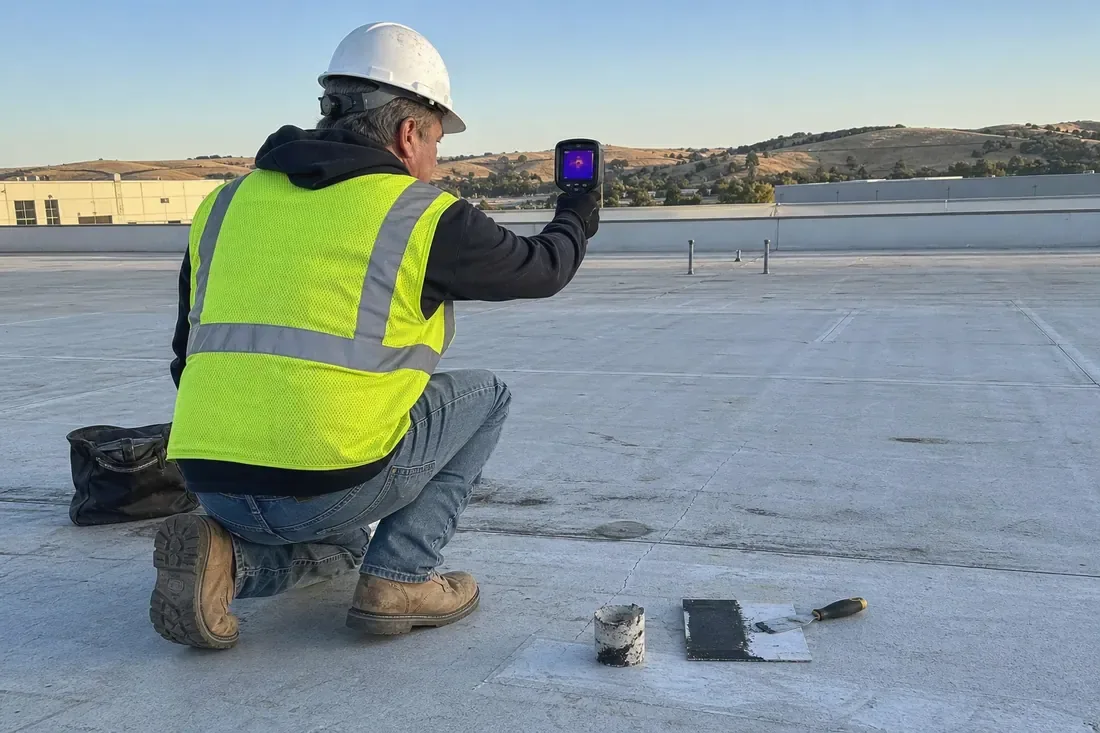
With a small commercial district, each Bethlehem, CT roof can carry a large share of an owner's budget, and a wrong guess about the insulation costs more. The finding that matters is the same as anywhere: whether a test cut shows dry core under a worn membrane or wet core that has spread beyond the leak. Dry core leaves a repair or a recover option open for a modest sum, while wet core pushes the scope toward removal, with a permit date to match. We price all three paths from one moisture survey, so the owner can compare them on equal terms.
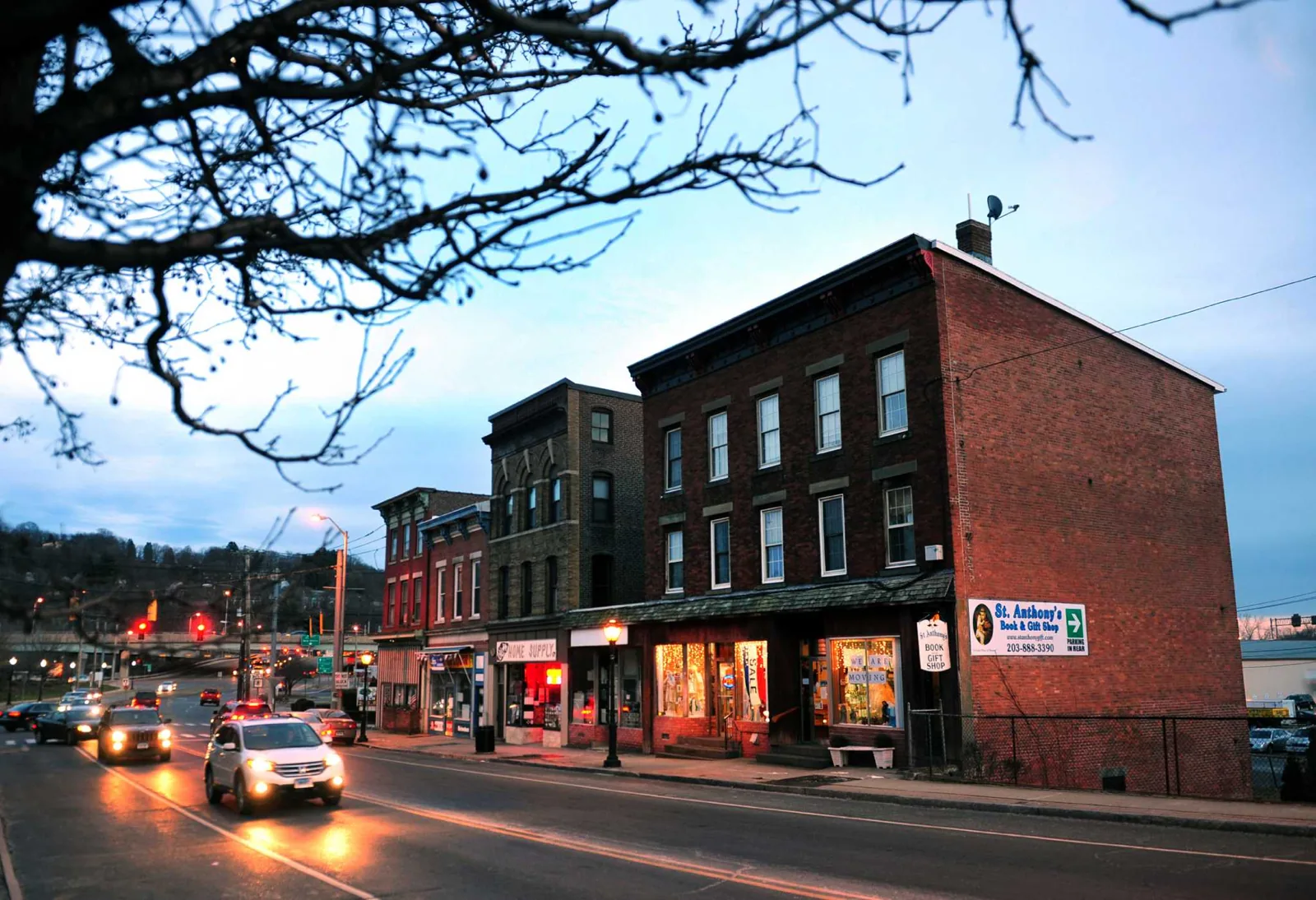
The town's small commercial district sits near the center at East Street and Main Street, Route 61, and the municipal plan describes a town where agricultural and forested land dominates.
Start With the East Street and Main Street Center
A small commercial district may hold only a few roofs, and each one deserves a full walk. We mark the roof sections, trace the drains, probe the seams, check flashing at walls and equipment and pull a core sample wherever the readings hint at trapped water. We do not infer the roof type from the business inside. Staging, protection and traffic control each get their own line, which keeps the price of the roof apart from the price of working at that address. On a state route, delivery windows and lift position often decide the schedule.
When the same owner holds more than one building, we report on all of them in one format, which makes it easier to decide where to spend first.
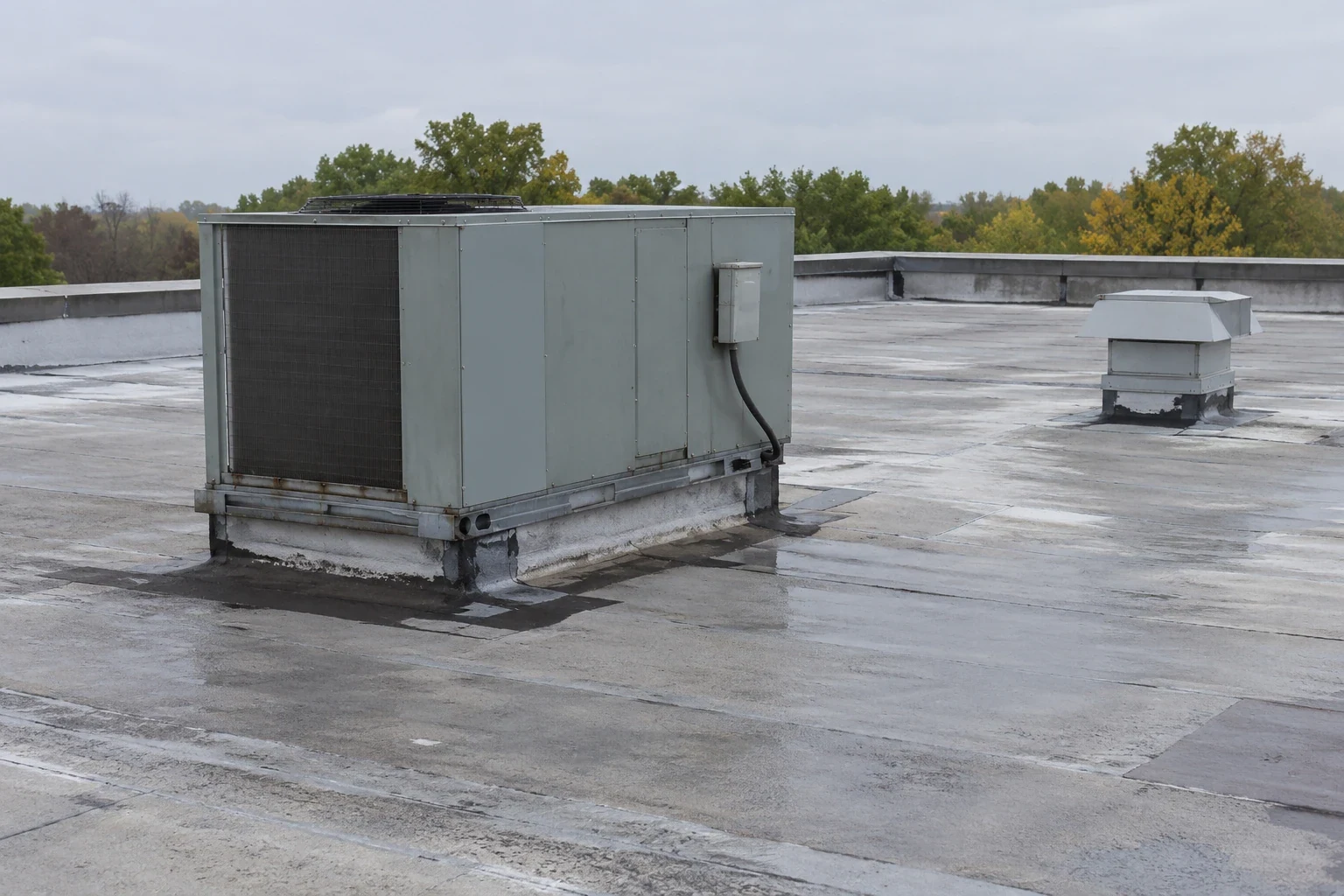
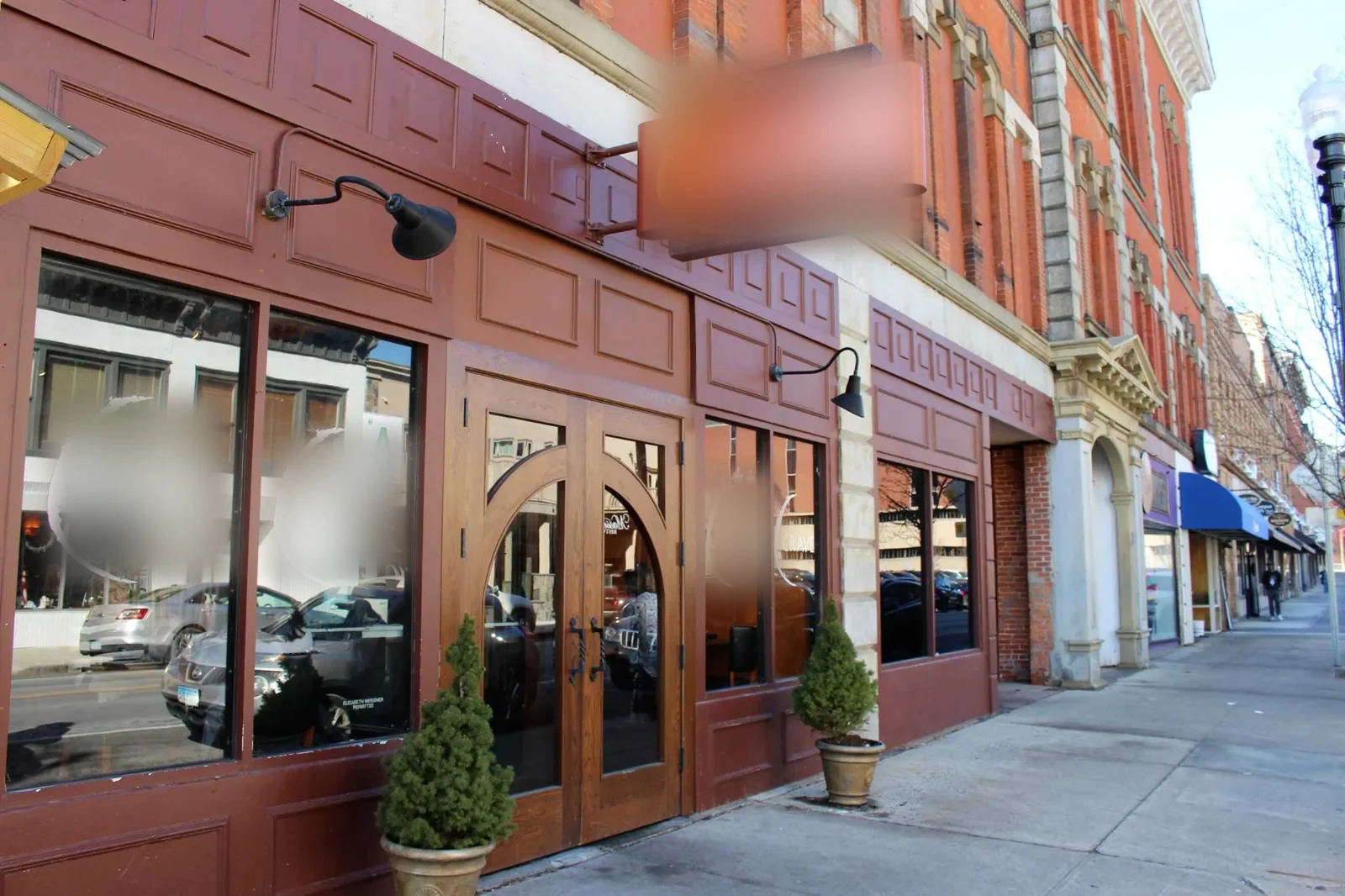
Signs, awnings and small rooftop units are tied into the roof edge or surface on many small commercial buildings, and each attachment is a place where water can enter. Each one earns an entry in the report: how it is fastened, whether its sealant has given out and whether it should be resealed, rebuilt or taken off, with a photograph beside the entry. The owner can then approve some items now and put others off.
Verify the Roof When a Building Takes On a New Business
The 2021 hazard plan says no new commercial construction had occurred in recent years, although some buildings had been redeveloped into new businesses. A converted building raises a question that a label cannot answer: was the roof renewed during the conversion, patched, or left as it was? We ask for the renovation records, then check them against the roof with test cuts and moisture readings. An office building roof or a small retail roof that now serves a new tenant may also carry new equipment, and each added unit is a penetration to inspect.
Sections of different ages get separate scopes, and the junctions between them get their own flashing details.
Change of use can also change interior loads and humidity, such as a kitchen added to a former office. Moist air that reaches the roof deck from below can condense in the insulation, and the stain that results looks like a leak. We check for that possibility during the survey, since the fix is a vapor or ventilation change and not a new membrane.
Match the Scope to a Small Roof
On a small roof, mobilization is a larger share of the total, and the cheapest repair is the one that is made once and holds. A commercial roof repair can often be finished in a day when access and weather allow, and the report states the repair boundary and the conditions left under observation. A recover is considered only when the existing roof is dry, well attached and able to carry another layer, and the drain heights still work afterward. If the insulation is wet in several areas, we show the replacement line with its own permit date and dry-in sequence.
Small roofs also tend to have simple drainage, often a single drain or an open edge. That simplicity makes each outlet more important. We trace the path, test it with water when access allows and report whether it needs a new strainer, a repaired boot or a larger outlet.
Check Debris and Drainage Where Fields and Forest Surround the Town
The municipal plan reports that about 9 percent of the town was developed in the 2015 land-cover dataset, with agricultural and forested land dominating the rest. Leaves, twigs and windblown field debris settle at drains and in low spots, and a blocked outlet is a common reason water stands on a flat roof. During the walk each drain is cleared and photographed, overflow routes are tested, and the report suggests how often the outlets should be visited given the trees and fields nearby. A ponding water area may need tapered insulation or a new drain, and each is priced as its own line.
Falling limbs are another risk near trees. A branch that strikes the roof in a storm can puncture a membrane or bend edge metal, and a quick look after a storm finds the damage while it is new. Dated photographs of the damage help if an insurance claim follows.
Plan for Winter Loads and Heavy Rain
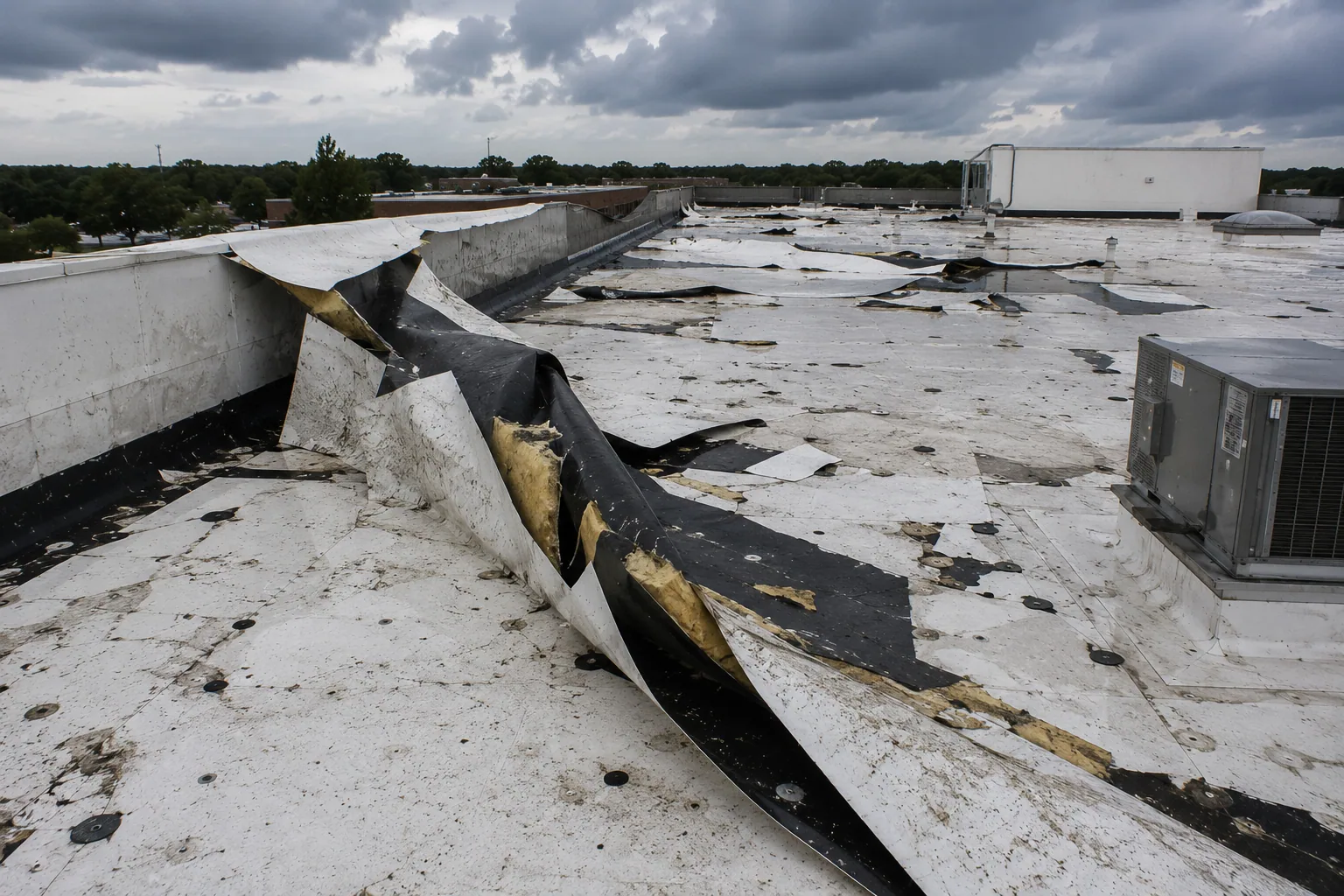
The hazard plan for Waterbury treats the entire city as exposed to snow, ice, sleet, nor'easters and blizzard conditions, lists summer storms and tornadoes among its hazards and gives Waterbury a 24-hour rainfall estimate of 5.54 inches at a 10 percent annual chance. The practical response for a Bethlehem roof is to test drains, check edge metal and look for split seams after the thaw. A wind damaged roof shows lifted corners and displaced coping first, and we photograph and date what we find.
Spring is the best time to find winter's effects. A split that opened under ice may leak only after the first warm rain, so we recommend a walk in early spring and record any new openings with dates and photographs, so the owner can plan repairs before the next wet season.
Set the Permit Date and Keep the Record
Any recover or replacement needs a permit, and the code that governs it is the 2022 Connecticut State Building Code, built on the 2021 International Codes for applications filed from October 1, 2022 forward; the permit date therefore sets the schedule's first mark. The finished job produces a roof condition report with photographs, test findings and repair limits keyed to a marked plan. Someone who also manages a building in Woodbury or Thomaston can receive the identical layout for that site and set the two roofs side by side.
Commercial Roofing Questions
Why does a small roof still need a moisture survey?
Because the survey is what separates a repair from a replacement. A stain says where water arrived inside, and only the survey and test cuts show where it entered and how far wet insulation reaches. On a small roof, that evidence keeps the owner from paying for either too little or too much.
How do you check a roof on a converted building?
We ask for the renovation drawings, then compare them with the roof using test cuts and moisture readings. Sections of different ages are scoped separately, and the junctions get their own flashing details.
Can a repair on a small roof be done in one visit?
Often, when access and weather allow. The report then states the repair boundary, the materials used and any condition left under observation, with photographs.
What maintenance fits a roof near trees and fields?
Drain clearing at regular intervals, a check of low spots after storms and a look at the edges for lifted metal. We recommend an interval that suits the building and record it in the report.
What records help me get a faster estimate?
Roof plans, repair invoices, leak dates and locations, any warranty papers and the renovation drawings for a converted building. Add the access rules and the date a decision is due.
Set Up a Bethlehem Roof Inspection
Share the access rules, the roof records and the capital or permit window. We will inspect, separate repair, recover and replacement scopes and give you a report with photographs, test results and allowances.