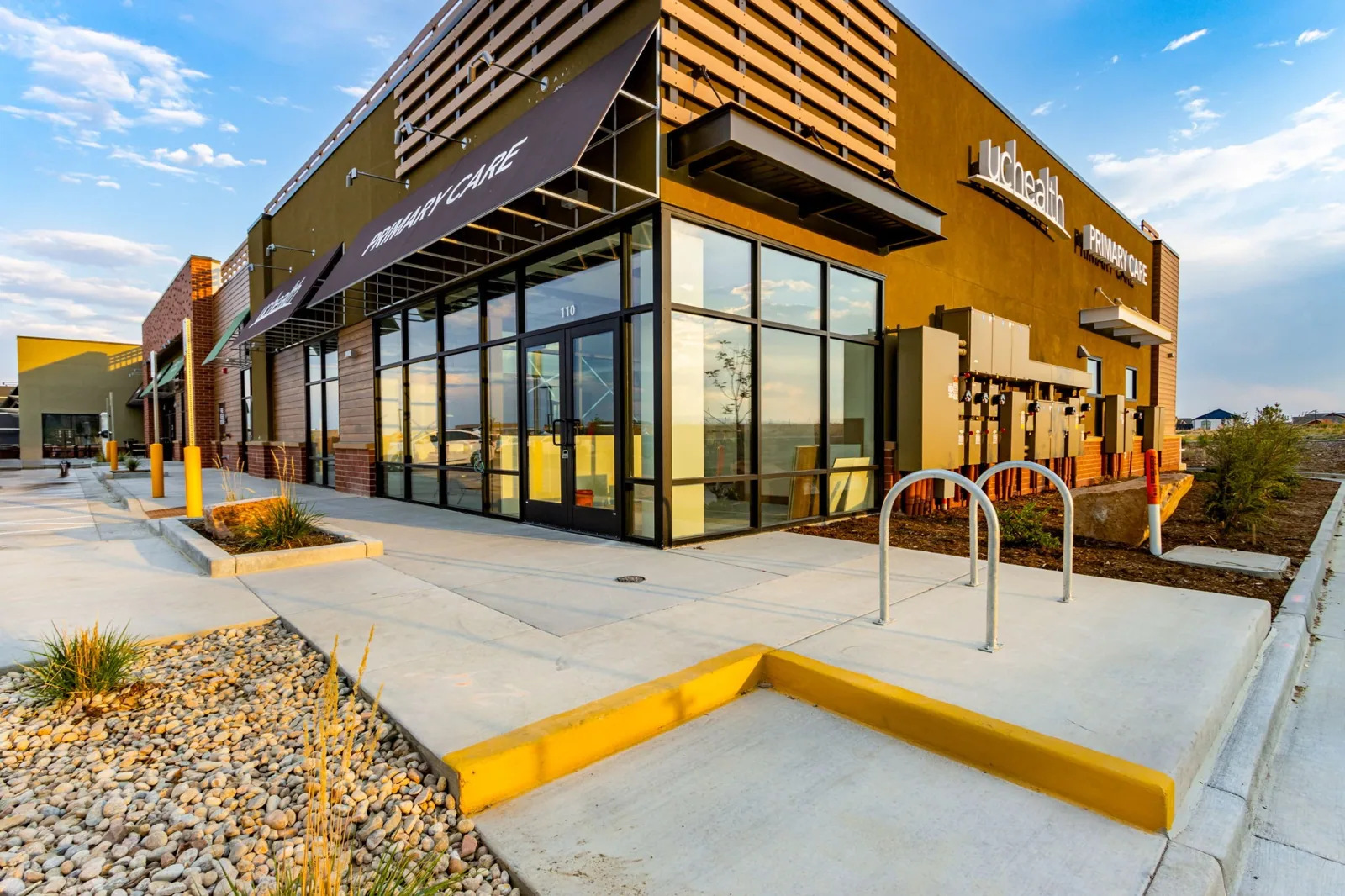
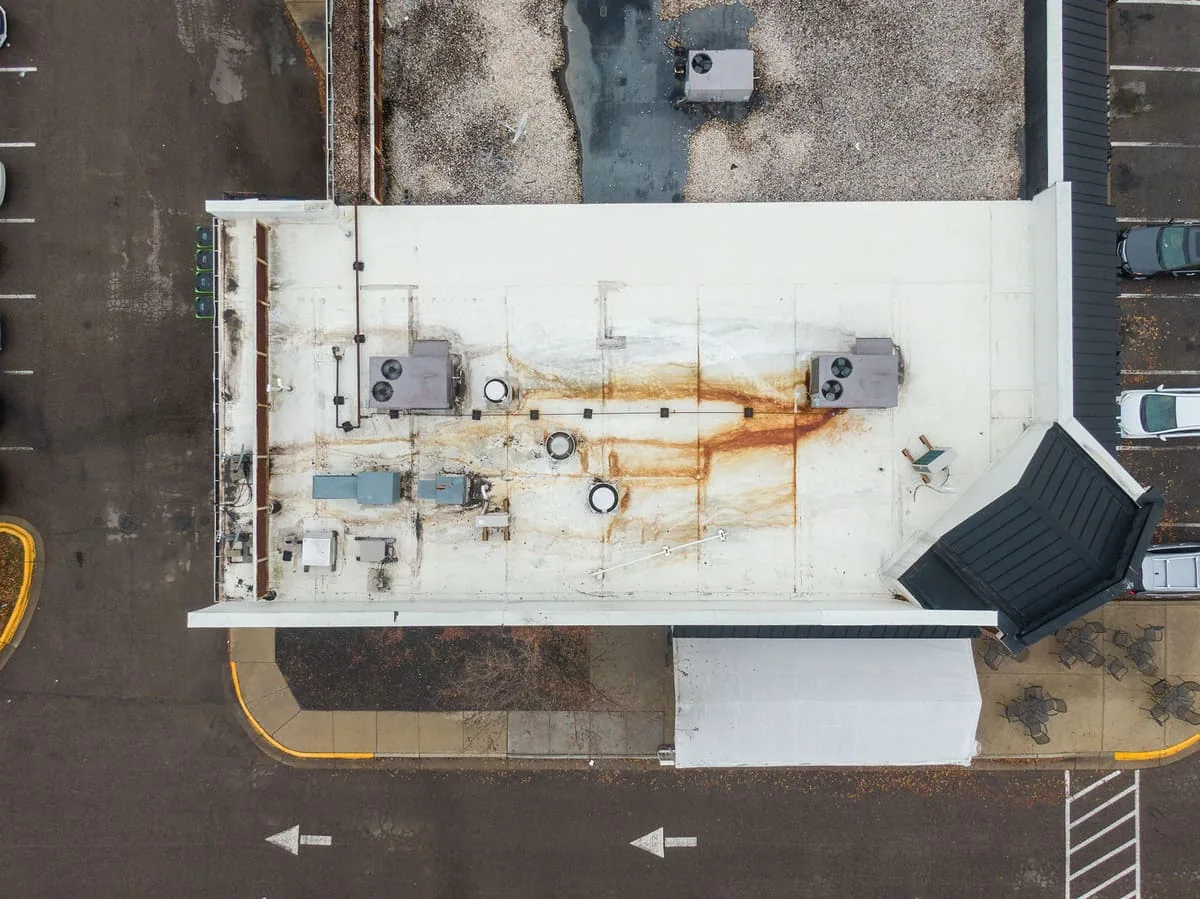
A multi-location roof program works when a regional manager can compare branches without treating every leak, dining room, and service dock as the same job. One store may need a repair before morning opening; another may need testing before a replacement budget is committed. Waterbury's neighborhood corridors mix retail and restaurants with housing, services, and civic activity, so entries, deliveries, and customer paths can remain active while roof work proceeds. We build each branch record around its roof zones, access window, and operating constraints, then use comparable scope descriptions to help the chain decide what needs attention first.

Give every branch a dependable roof file
Start with a branch inventory that identifies the address internally, roof plan, membrane or metal system if known, drain locations, prior repairs, leak reports, and the person who can approve work. The operating record holds the property details a dispatcher needs to send a crew to the right door. Separate roof sections where the construction or maintenance history differs. That discipline lets a portfolio lead compare conditions without assuming a neighboring storefront has the same assembly or exposure.
For a recurring leak, attach the date, weather context, interior impact, and temporary action to the specific branch. Link the report to a roof-zone photo and state whether the cause is confirmed or still under investigation. A regional manager should be able to sort open conditions by urgency, service disruption, and evidence still needed. Property management teams can coordinate the same roof record with local contacts, tenant notices, and vendor access approvals. Food-service chains can align refrigeration and hood contacts with hospitality facility managers while keeping each branch's roof file distinct.
Trace water without closing the store
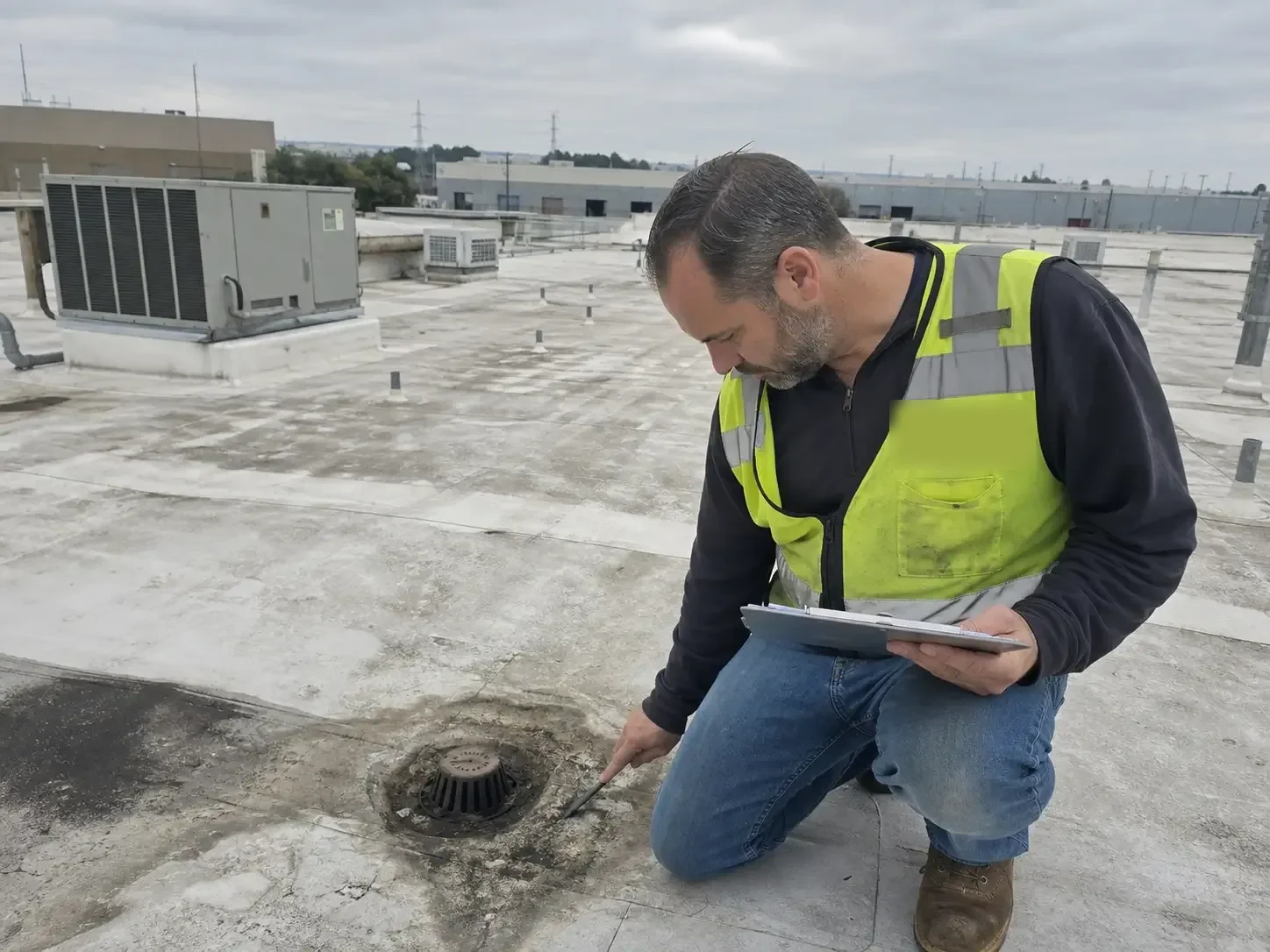
Inspection can start before opening, after a delivery lull, or during another window the manager approves. We confirm the safe roof route, then check the affected seam, curb, penetration, edge, drain path, and nearby prior repairs. On the inside, note where water appeared and which finishes or products need protection. A ceiling stain can be offset from the entry point, so the field record should connect the interior report to the roof zone rather than placing a patch where the symptom appears.
If a visible defect explains the water path, define a repair boundary and state what remains for monitoring. If the assembly question is unresolved, a test cut or moisture survey may show whether adjacent insulation is wet or whether a broader scope deserves pricing. Photos should show the finding and the action it supports; they should not imply that a single sample speaks for the entire chain. A commercial roof inspection can give the portfolio team a dated branch report for its maintenance record.
Use Waterbury’s corridor context for scheduling
Waterbury's compact business center sits near where I-84 and Route 8 meet, with mixed-use commercial corridors extending through the city. East Main and South Main are two such routes, where stores and restaurants share a setting with housing and civic activity. For a branch in those areas, delivery timing, sidewalks, customer entry, and neighboring uses may shape where a lift can stand or how materials reach the roof. The service plan should identify the actual branch entrance and work boundary rather than assuming the whole block shares one operating pattern.
Commercial development during the preceding decade included Waterbury's arterial routes at East Main Street, Chase Avenue, and Reidville Drive. A retail operator with branches on different corridors can use the same scope checklist while adapting arrival windows and staging to each location. Check the actual curb access and roof hatch before dispatch. If water is backing up around outlets, drainage service can record the visible drain condition, discharge path, and the follow-up needed at that branch.
Protect refrigeration, exhaust, and rooftop service
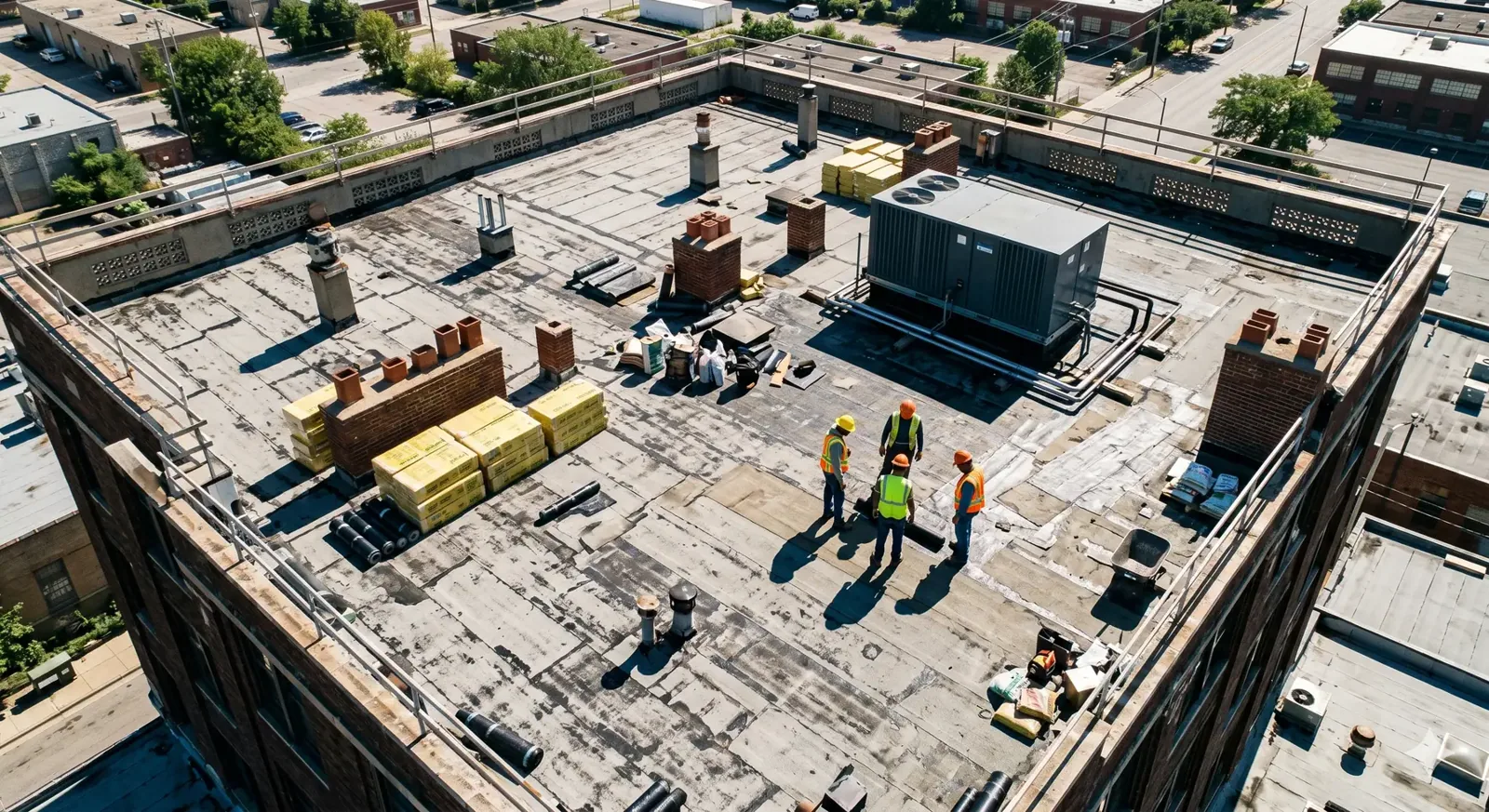
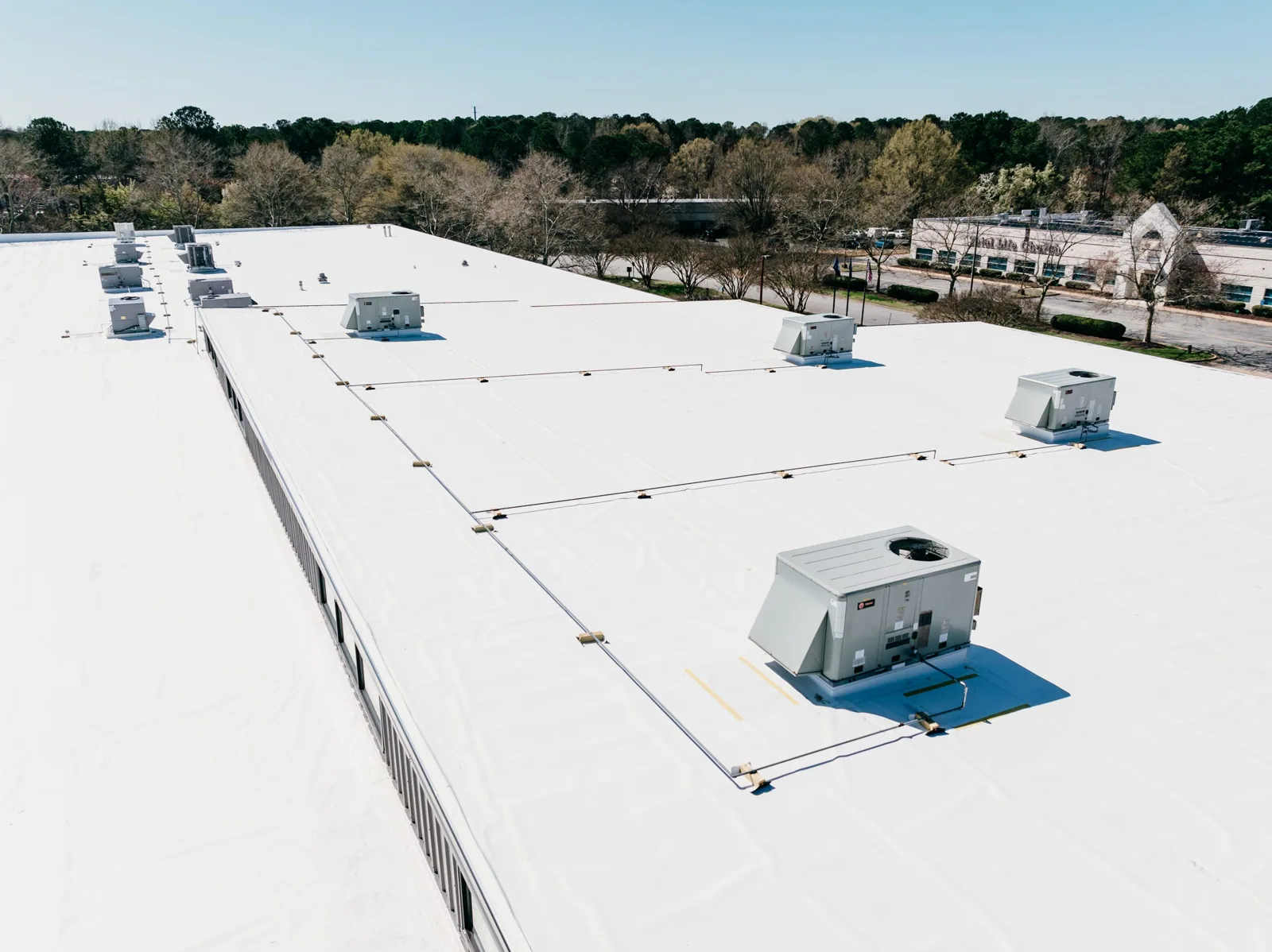
Many food-service roofs include equipment that belongs to other trades. Before moving or flashing around a refrigeration line, exhaust curb, kitchen hood fan, electrical conduit, or rooftop unit, identify the responsible contractor and who can approve a shutdown. A roofer should not disconnect a system outside the agreed scope. Mark equipment locations on the roof plan, photograph the surrounding flashing, and keep condensate or service-line questions with the right trade so the repair does not create a maintenance problem for the restaurant.
Grease exhaust and refrigeration service can constrain access and timing, particularly when a kitchen is preparing for a busy meal period. Confirm cleaning schedules, safe paths, and any work-hour restrictions before setting the crew sequence. If flashing must be disturbed, define who will verify the equipment is ready to return to operation. For an occupied branch, phased reroofing can divide work into sections, keep entries protected, and establish a daily dry-in point. Chain staff should know which entrance or service lane remains open before the shift begins.
Make branch estimates comparable
Comparability starts with matching assumptions. For every branch, show the repair or replacement boundary, tear-off depth, insulation work, edge metal, drain changes, protection below, disposal, lift or staging needs, and hours the site is available. Separate confirmed quantities from a scope allowance for concealed conditions. If testing could change the choice, state what result would trigger additional work and who approves that change. The portfolio lead can then compare cost drivers by asset without receiving a different definition of “roof repair” from every store.
A repair is appropriate when the defect is contained and nearby materials remain serviceable. Recover requires checks of moisture, attachment, existing layers, drain height, and perimeter details. Replacement may be the clearer path when deterioration spans multiple zones or repeated repairs no longer protect the operation. Commercial leak repair should document the area stabilized, materials used, and any condition left open. Those same categories make branch records useful for annual budget review and future vendor bids.
Sequence work around the trading day
Before mobilization, agree on the arrival time, approved roof access, material staging, customer entry to keep clear, and the contact who can pause work if an interior issue appears. If the branch opens early or runs late, write the allowed work window into the schedule rather than relying on a broad “off hours” instruction. Each roof section should have a start condition, a protected work zone, and an end-of-shift dry-in checkpoint. For a chain with several Waterbury locations, group visits only when access and trade needs make that efficient.
Coordinate notices with the branch manager and building contact, especially when lifts, dumpsters, or deliveries might affect adjacent businesses. If a repair uncovers wet insulation or a damaged deck, stop at the approved boundary, photograph the condition, and obtain direction before expanding. Waterbury retail roof service can begin with the branch map, leak history, refrigeration or exhaust contacts, and the calendar window for work. We return a record the next manager can use to understand what changed and what remains.
Commercial Roofing Questions
Can roof work happen before a store opens?
It can when the manager approves roof access, staging, and the work window. We also set an end-of-shift dry-in point and protect the customer entrance and service paths.
How do you compare roof conditions at different branches?
Use a consistent record for roof zones, leak history, drainage, repair boundaries, photos, access limits, and next action. Keep each branch’s assembly and findings separate.
Will roofing work affect refrigeration or kitchen exhaust?
We identify rooftop equipment and trade contacts before work. If a line, fan, or unit must be disconnected or shut down, the responsible contractor and site contact coordinate that work.
What if one branch needs a larger scope than the others?
Price it by its own roof sections and evidence. Separate confirmed repair work from test-dependent allowances, then compare the same cost categories across branches.
What information should a chain send before an inspection?
Provide the roof plan if available, branch contact, leak dates and locations, previous work, access and trading hours, and refrigeration or exhaust service constraints.
Build a roof record for every Waterbury branch
Send branch roof plans, leak dates, access windows, and equipment-trade contacts. We will identify the repair boundary, unresolved tests, and scope choices for the next approval.