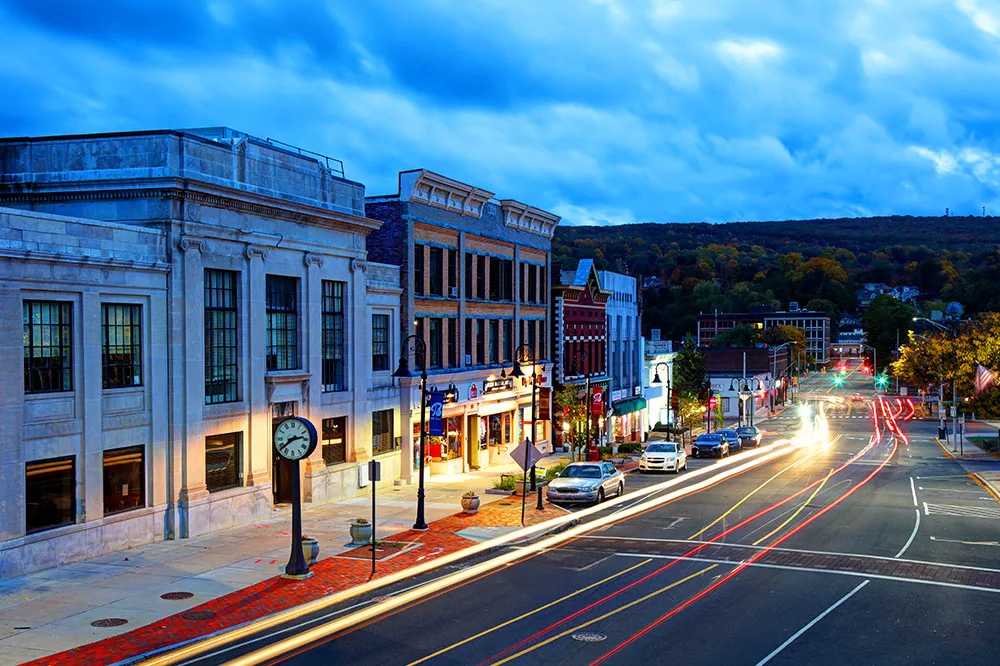
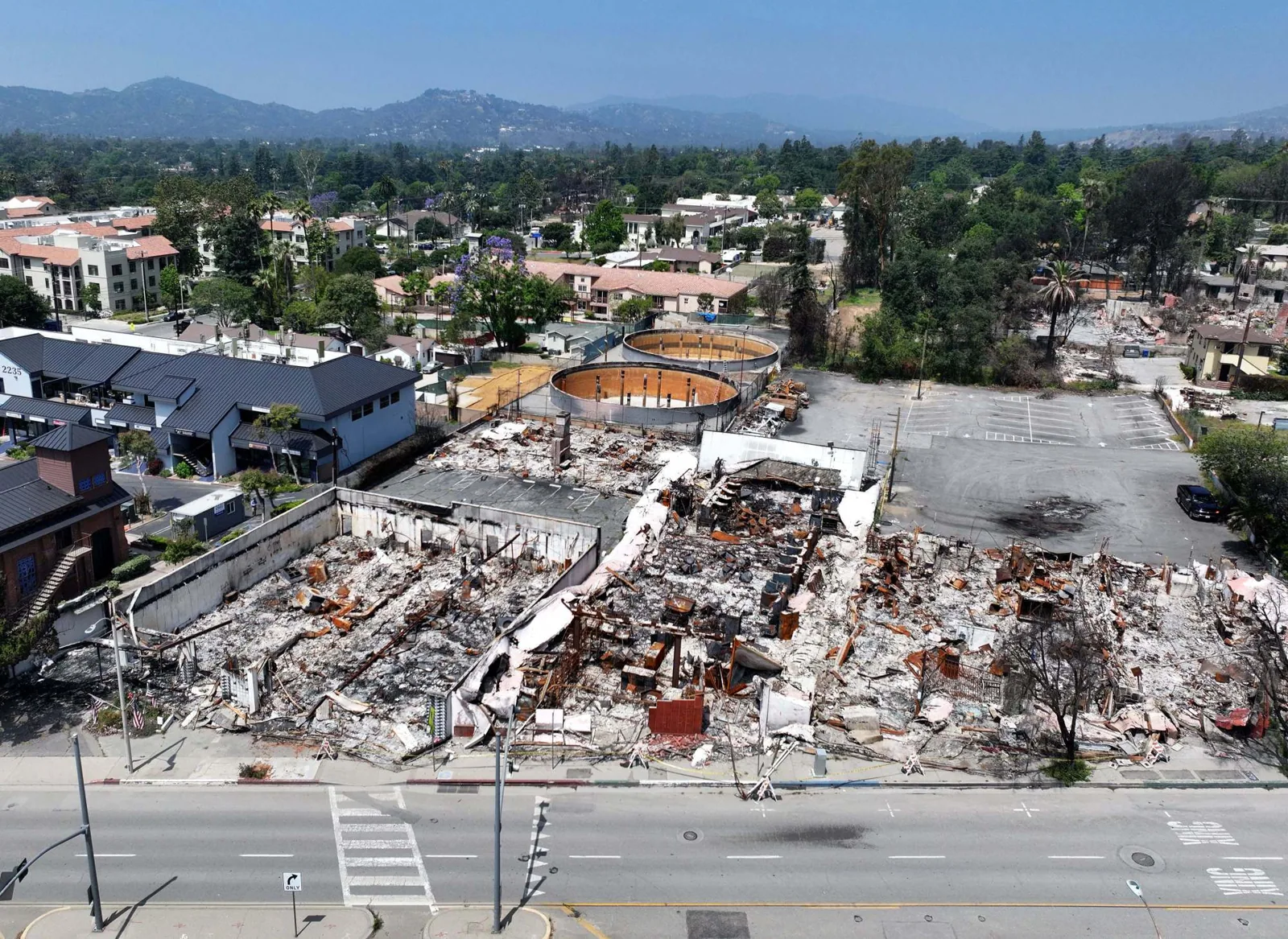
Zoning that limits how an existing business can expand or be rebuilt turns a roof replacement from a maintenance item into a planning item, and in Roxbury, CT the first question is often how much of the existing building envelope the new roof must match. The town's 2020 adopted plan identifies a town-center business area running from Ranney Hill Road toward the Roxbury Garage and notes zoning constraints on expansion or rebuilding of existing businesses there.
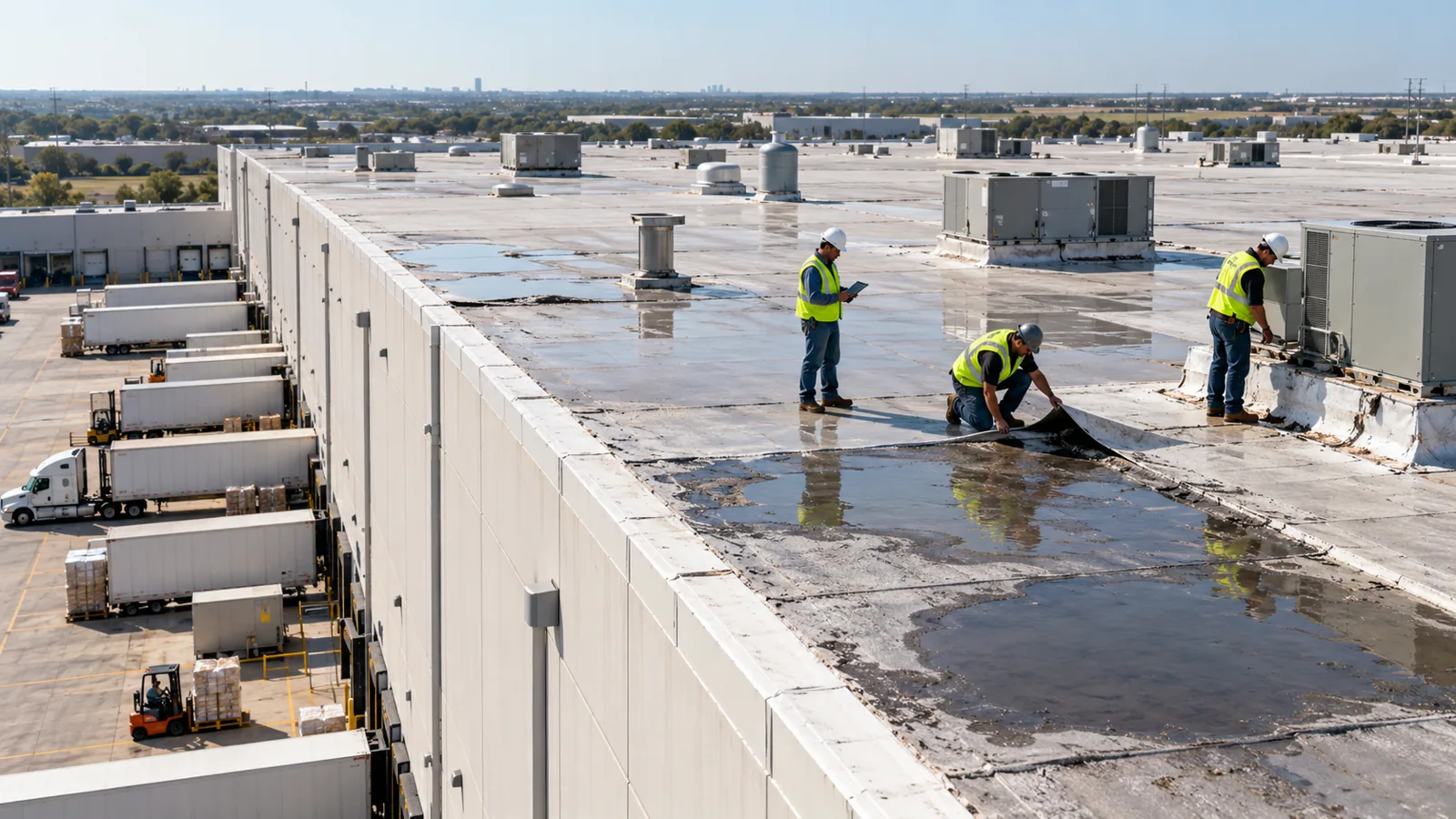
We start the budget conversation with the inspection finding that could change the scope, usually the moisture reading, and then ask what the roof is allowed to become. A repair or an in-kind replacement may be straightforward, while a change in height, footprint or use may need a conversation with the town before a price is firm.
Price an in-kind replacement before assuming a larger change
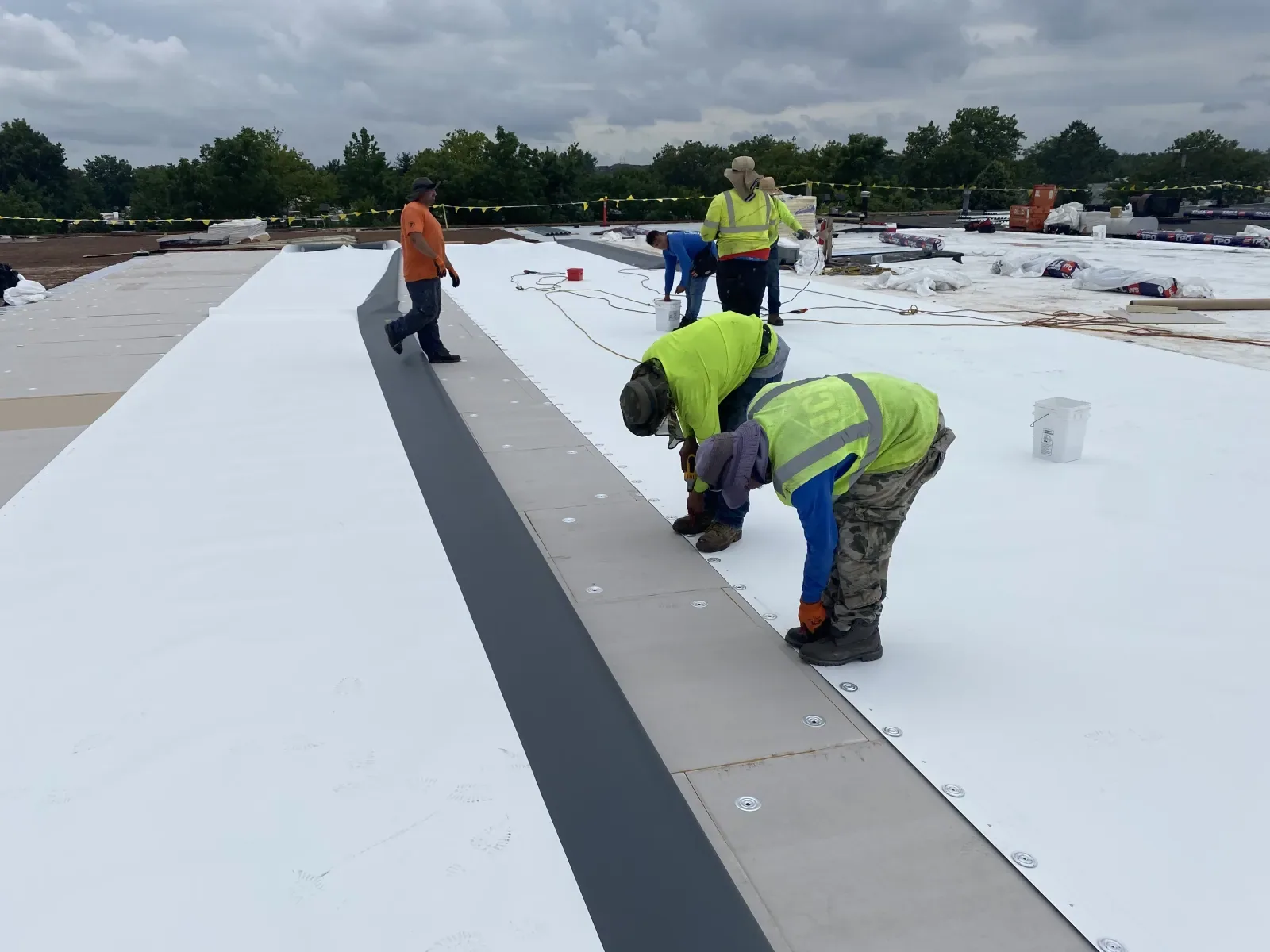
When rebuilding is constrained, the least risky roof project is usually one that keeps the building's shape, height and use. We write the replacement scope so it can be read two ways: as an in-kind replacement with the same slope, the same drainage and the same edge details, and as an option with upgrades such as additional insulation or a different membrane. The owner can then see what the constrained version costs and what each improvement adds.
What a particular property may do is a question for the town, and the owner or a land-use professional settles it there. We supply the roof information they need: dimensions, slope, drain locations and the existing assembly. If a replacement line would raise the roof height by even a few inches because of added insulation, we flag it early so that it does not become a surprise at permit review.
Scope for a small business base
The plan reports approximately 40 businesses listed in the town business directory for 2019 to 2020. In a town with a small number of businesses, an owner may manage the building directly, and the roof decision falls to the person who also runs the shop, the office or the farm stand. They need a plain estimate, not a portfolio report, and a repair that fits the budget this year with a clear note on what comes next.
We give them a short written scope: the problem found, the repair proposed, what it costs, how long it should hold and when to look again. If water has reached the insulation, we say so and show the cost of drying and replacing that part. A leak repair that is limited to the failed detail is often the right answer for a building whose roof is otherwise dry, and the report records which sections were tested so the owner knows where the next problem is most likely to appear.
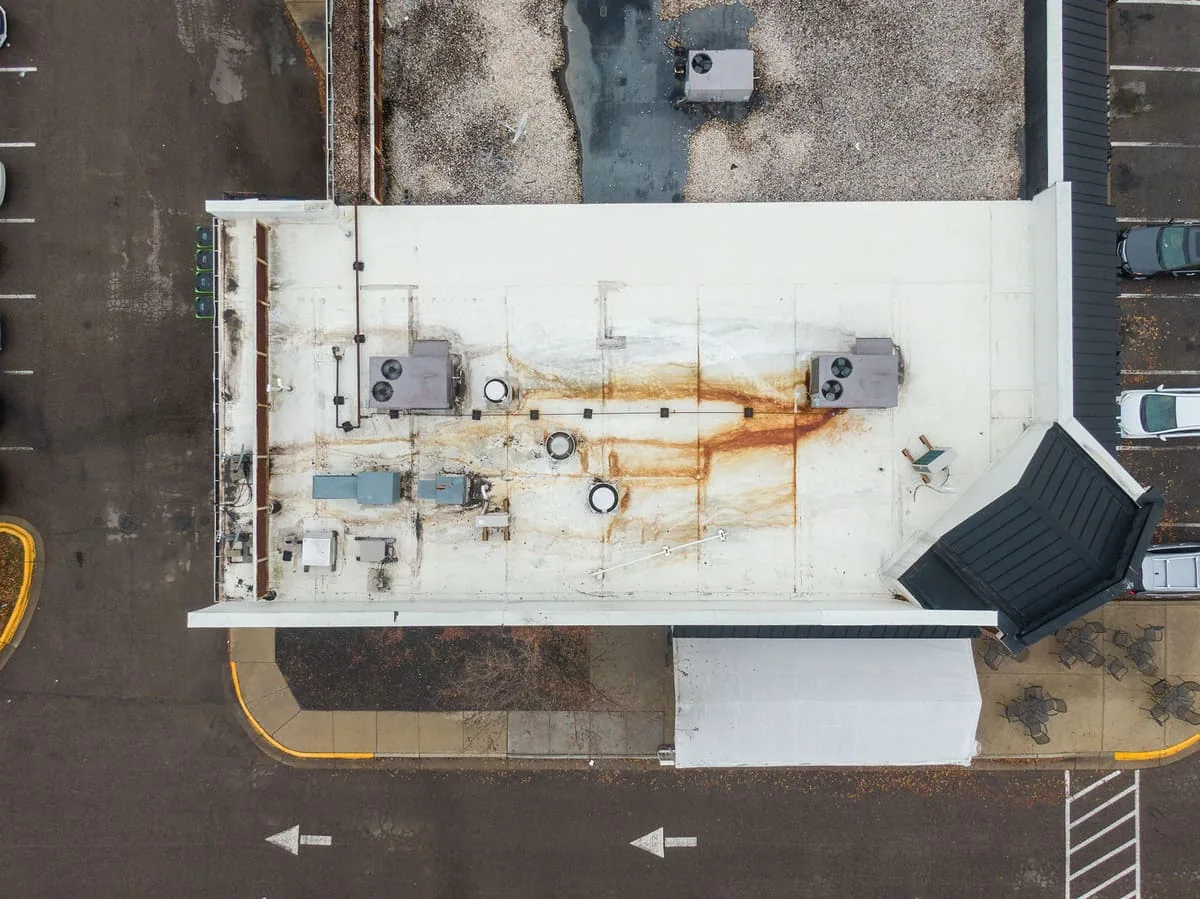
Small buildings still need the basics done right. We check the flashing at the chimney or vent, the condition of the drip edge, the fasteners near the ridge and the gutters, and we photograph each. A roof with a dozen small defects can fail in one storm, and a short list fixed in one visit usually costs less than the same items found one at a time over several years.
Read the working-land setting before the walk
The adopted plan reports 978 acres actively farmed in Roxbury under the PA 490 classification, which documents an agricultural part of the town's land-use mix. A property near working land may have a long approach, a gravel drive or farm equipment in the yard, so we ask about the route and plan the crew's arrival around it. A property with outbuildings may want those roofs looked at in the same visit, and we can add them to the scope if the owner wishes.
Agricultural and rural buildings can see different wear from a retail plaza, such as debris from fields and long runs of panel or membrane with few drains. Each starts with a walk and a record. Owners with farm-related buildings in Woodbury or Bethlehem can have those inspected in the same trip.
Account for winter storms and heavy rain with a simple checklist
The hazard plan for Waterbury describes snow, ice, sleet and nor'easters as risks to the whole of that city, and it flags hurricane and tropical-storm wind and rain as a source of flooding there. They suggest a checklist any Connecticut owner can use: clear the drains and gutters, check that edge metal is tight, look at flashing around chimneys and vents, and confirm that snow will not slide onto a door or walkway.
We turn that checklist into an inspection and record the result with photographs. Where an owner has a pitched roof over a business, a snow and ice damage repair may involve gutters, snow guards or ice-dam prevention at the eave. On a low-slope roof, it more often involves drains and ponding. Either way, the report names the fix and its cost.
Fit the work into the owner's budget cycle
For a small owner, the choice between repair now and replacement later is mostly a cash-flow decision. A repair line that holds for a defined period, followed by a planned replacement in a later budget year, can cost less in total than a rushed replacement after a failure. We write the plan with those dates, so the owner can set money aside and arrange the work for a favorable season.
The best season is the one when the building and the weather agree. Spring and fall give working temperatures, but a seasonal business may be busiest in one of them, so we ask when the owner can tolerate noise and open sections. For a business that closes in winter, a cold-season inspection and spring start can fit the cash cycle, with temporary protection placed in the meantime.
When a permit is needed for a full replacement, it is read against Connecticut's 2022 State Building Code, which adopts the 2021 International Codes, and we confirm insulation terms before the number is firm. Owners can also use a capital planning summary for lenders or insurers, which sets out the roof's condition, the repairs made and the expected next step. Because small buildings leave little room for staging, the estimate lists where material will sit, how it reaches the roof, and who clears the area at the end of each day, so a modest job does not turn into a parking problem.
Commercial Roofing Questions
Can my roof be replaced with a different height or shape?
Zoning decides that, and the town decides zoning. We supply the dimensions, slope and assembly details, and we flag any option that would raise the roof height so you can check it before ordering.
Is an in-kind replacement cheaper than an upgraded one?
Usually, because it avoids added insulation, redesign and some permit questions. We price both versions side by side so you can see the difference and decide on the upgrade as a separate item.
What does a short scope for a small building contain?
The problem found, the repair proposed, the price, the expected holding period and a date to recheck. If water reached the insulation, it also lists the cost of drying or replacing that part.
Do you inspect outbuildings in the same visit?
Yes, if the owner adds them. Each building gets its own walk and record, and mobilization is shared so the added cost is small.
How do I prepare for winter on a pitched commercial roof?
Clear gutters and downspouts, check eave edges and flashing, and consider snow guards where snow could slide onto an entry. We can inspect and list the work in order of urgency.
Send the building description and the zoning questions
Share the property contact, the use, the roof records and any limits on rebuilding you know about. We will inspect the roof, test for moisture and give you an in-kind scope and an upgrade option side by side.